28 Rules for Resolving Conflict with Your Children


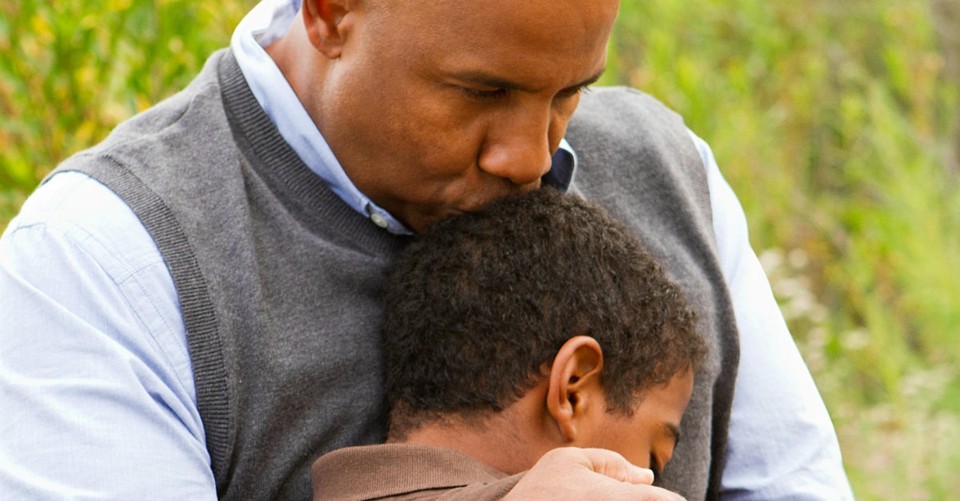
When you get into conflict with your children, it doesn’t have to be the end of the world, or even miserable, take a look at the following list of ground rules for fair fighting. I think you’ll find practical and realistic ways to help you actually resolve the conflict instead of making the conflict worse:
1. Clearly define the problem. Clarify what the actual conflict is first. Then, see if there is any other reason this conflict is here: tired, low sugar level, etc. (Prov. 13:10; 18:13; 22:3)
2. Quickly acknowledged the problem soon after the mistake and try to resolve it. Don’t hope the problem will just go away. (Prov. 27:23)
3. Encourage the child to explain and respond. Use active listening (parrot talking). Repeat to the other person what you heard them say. Get their agreement about what you heard them say before responding (vice-versa). Learn to listen! (Prov. 14:33; 24:3-4)
4. Discuss only one thing at a time and stay in the present. Don’t dredge up past hurts or problems, whether real or perceived. Avoiding score keeping. "You are late for dinner. I feel angry. I wanted everything to be warm and tasty." Rather than "You are late for dinner as usual. I remember when…", etc. (Prov. 19:10; 103:12)
5. Don’t argue about details, e.g. "You were 20 min. late," "No, I was only 13 min. late."
6. Avoid power statements and actions. For example: "I quit!" "You’re killing me.", etc. (Prov. 17:27; 26:21; 28:16,25; II Tim. 2:7)
7. Avoid judgment. Stay with self-responsible "I" messages. (Matt. 7:1)
8. Be honest in your statements and questions. Honesty needs to be accurate, rather than agreement or perfection. (Eph. 4:15; Prov. 12:19)
9. Don’t confront when you’re angry or stressed out (cool your jets). Learn to identify your body’s own natural signs when you’re getting angry, stressed out, overloaded, or about to shut down. Then help your children to identify their own bodily signs.(Prov. 10:12; 14:17,29; 15:18; 16:32; 19:19; 22:24; 29:11,22; 30:33; Eph. 6:4)
10. Never walk out without agreeing to take a break. It is okay to temporally stop when a solution is unclear. However, agree to resume the discussion when your emotions have cooled off. (Eph. 4:26; Prov. 11:14)
11. Don’t use the silent treatment. Nothing gets solved this way. (Prov. 3:27; 16:13,21,24)
12. Never threaten to withdraw love. (Prov. 28:25; 29:23)
13. Control your hands and tongue. Never use sarcasm or physical violence. (Prov. 15:4; 12:18; 29:2-3; 16:13)
14. Don’t use "hysterical" statements or exaggerations at the time of conflict. (Prov. 29:11; 16:21,24)
15. Select an appropriate time and place. Don’t make a scene. Never deliberately embarrass each other or others by arguing in public. Keep your arguments in private. Perhaps even away from siblings if necessary.(Prov. 15:23; Prov. 25:11)
16. Don’t drag in outsiders unless each member agrees that this person can help find a solution or help referee. The person needs to be someone who can maintain unbiased opinion and someone who everyone respects and feels safe with. (Prov. 1:5; 12:15; 19:20; 20:18; 27:9)
17. Surround criticism with encouragement (praise bombardment). Focus on your desired expectations or positive changes rather than on faults. (Prov. 15:1; Prov. 15:13)
18. Speak directly and personally to your child. Avoid lecturing and stay with concrete specific behavioral detail(s). (Prov. 18:23)
19. Initiate some type of loving behavior toward the child during the conflict (i.e., holding hands, have the child sit in your lap, take a walk, etc.) (I John 4:18)
20. Put yourself in your child’s shoes.
21. Don’t compare one child to another. Be aware of each others differences and accept them (lion, otter, beaver, and golden retriever). (Prov. 22:6)
22. Give value and consideration to the interests, goals, and desires of each person. (Prov. 29:7)
23. When you’re wrong admit it. Accept any blame for the past (Was the rule clearly defined? Was it written down? Was there miscommunication?, etc.). Identify your own contribution to the problem. (Prov. 28:13; 29:23)
24. Assign responsibility for the future. Make sure it is written down so the child knows exactly what is expected of him/her. Then hold the child accountable. (Prov. 22:15; 23:13; 29:15, 17; Heb. 12:9; Prov. 15:31; 1:8; 3:11; 13:1; 13:24; Eph. 6:4)
25. Resolve your conflicts with "Win-Win" solutions. Both agree with the solution or outcome of the argument.
26. Forgive your child and do not hold resentment. End a fight with an act of love. (Col. 3:12-13; I Peter 3:8-9)
27. Above all, strive to reflect HONOR in all of your words or actions during a conflict. (Romans 12:10; 2:3)
28. Make conflict resolution a regular habit. (Prov. 13:24)
Michael Smalley and his wife Amy both earned a Master’s Degree in clinical psychology from Wheaton College in Chicago, Illinois. For the past ten years they have taught millions of people around the world with entertaining stories and illustrations. Michael is currently the marriage and family director at their hometown church in The Woodlands, TX. Michael and Amy are also starting a new center called The Smalley Marriage and Family Center that will provide local pastoral counseling, special intensive retreats, and training for professionals and lay-people. Michael and Amy have authored or coauthored relationship advice books like Communicating with Your Teen, the Men’s Relational Toolbox, and Don’t Date Naked. The Smalley's have three children, Cole, Reagan, and David. They have been married for 11 years. Visit Michael's blog at www.crashintolove.com.
photo credit: ©GettyImages
Originally published December 25, 2006.