




I don’t have to spin tales about how things in the modern world are far different from when we were teenagers; we already know they are and the statistics of the number of kids affected are alarming. But what some parents don’t know is how to effectively balance their teen’s privacy and protection. Do you have a tough time balancing “need to know” with providing your teen “some private space?”
For instance, some parents feel unease, as if they are being sneaky or are in violation of their child’s trust, to investigate their child’s activities on the internet. As one who daily sees the outcome of some of these cultural influences, let me set your mind at ease about monitoring your teen’s activities, on or off the internet.
First and foremost, I believe that a child needs and deserves privacy, but he also needs to know that you as a parent will go to no end to find out what he’s into if it begins affecting his attitudes and behaviors. After all, what he’s into, or the hold an outsider may have on your teen through the internet, may ultimately harm both him and your family. He may be too embarrassed to reveal it, or he could actually be afraid or feel threatened.
Follow your instincts. If you feel there is something wrong, there probably is. If you sense there are secrets abounding around you, there probably are. If something tells you your child is hiding something, you’re probably right. But when it comes to the internet, more care must be taken even if there is no outright cause for concern.
Get a Handle on the Internet…Even if Your Teen Shows No Signs of Trouble
The internet is one of the top dangers facing kids today. More rotten stuff happens on the internet than any place on earth, and you don’t have to cooperate with it or allow any of that to come into your home. Here are some tips for parents to get the internet under control:
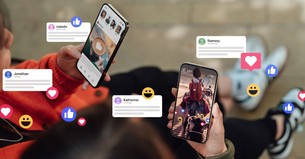
1. Make it a home policy that parents must know all electronic passwords. This gives access if needed. Have access to their MySpace account for your monthly monitoring (or better yet, don’t allow them on that site at all, which is the stance that some schools are now taking). Add yourself to their “friend” list to be able to roam around on their site. Make their profile private, so that only approved “friends” can communicate with them. A little monitoring goes a long way. If they refuse, disconnect or don’t pay for their internet access.
AMEN! Kudos, Dad!