



History/Geography
People haven’t always had modern ovens, microwaves, mixers, and measuring cups to cook with—but they still had to eat, just like we do. Let’s travel the world and go back to the past to find out what other people ate and might still eat today.
• Choose four different periods in American history and find out what were the common foods of the time. What did soldiers in the Civil War eat? How did American Indians cook their food? What was a colonist’s favorite dessert? Do a little bit of research and see if you can find the recipes they used.
• Choose three countries you would like to visit. What kinds of foods might you eat while you are there?
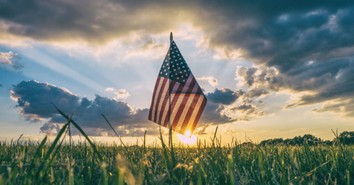
• Hamburgers and hot dogs are common foods to eat in America while on a picnic or when celebrating the 4th of July. Birthday cake and ice cream go hand-in-hand at a birthday party. Go back to those three countries you chose and find out what they eat while celebrating birthdays, Christmas, or national holidays. Find the recipes and try making them.
Vocabulary
temperature, yeast, microorganism, fungi, baste, saute, broil, dehydrate, measurement, acid, alkaline, substitute, flavor, sift, tenderize
Writing
• Think back to a time when you helped your mom or dad in the kitchen. What did you make? What did you learn as you cooked? Did something funny happen? Write your story and use as many descriptive words as you can.
• Write a story about a boy from Japan. It is his birthday today. What does his mother bake for the celebration? What is his favorite meal? Does he have a sweet tooth? If so, what is his favorite candy or sweet?
• Make your own cookbook. With each recipe, write down where you found the recipe or who gave it to you. Perhaps you want to write a small story about the person who gave it to you. Is there a memorable event that happened when you ate this recipe? Write down your memories.
Reading
• What’s Cookin’? by Nancy Coffelt (preschool-grade 1).
• The Science Explorer: Family Science Experiments from the World’s Favorite Hands-On Museum by Pat Murphy, Ellen Klages, Linda Shore, and the Exploratorium (ages 6-9). The Exploratorium’s first collection of family-oriented experiments using stuff that’s easily found at a grocery store. Background sections help adults explain scientific concepts with each activity.
• The Usborne Children’s Book of Baking by Fiona Patchett, Nancy Leschnikoff, Molly Sage, and Adam Larkum (ages 9-12). New in January 2007.