




Help them instant message wisely. Tell your kids never to instant message strangers; add people they don’t personally know to their buddy lists; click through on links others may send them; accept invitations to go to public chat rooms; or type something that they wouldn’t say to someone face-to-face; or that would bring dishonor to God. Remind your kids that everything they type becomes permanent because it can be stored indefinitely on computer hard drives – even if they delete it from their own computer. Urge them to think before they type.
Set up your own screen name and put your kids on your buddy list so you can use instant messaging to communicate with each other sometimes for fun. But never instant message your kids’ friends; let the friends contact you first if they would like to instant message with you. Also remember these guidelines for instant messaging: Don’t use all capital letters (that’s considered yelling), be brief, be patient while you wait for people to answer your messages, and always say goodbye before logging off.
Help them use cell phones wisely. Carefully consider how you’d like your teens to use their cell phones, and choose the features and calling plan that offers the best rates for the ways and times your teens will use their phones. Clearly communicate your rules so your kids don’t run up unexpectedly high bills. Explain cell phone etiquette to your kids so they don’t disturb others when talking on their phones. Urge them to never use their cell phones while driving so they don’t risk their own or other people’s safety.
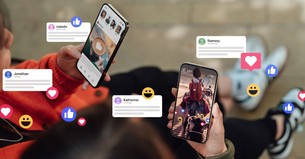
Help them use social networking sites wisely. Social networking sites like MySpace and Facebook are an important part of how teens stay in touch with their friends. The profiles your kids create there, the photos and videos they upload, the blogs they write, and the messages they post are all windows into their souls – which is good for you to learn more about what matters most to them, but bad if they share too much private information and attract attention from dangerous people.
Work with your kids as they create their profiles, and visit their site regularly to see what changes they’ve made and how other people have commented on their site. Encourage your kids to list true friends – not just acquaintances – on their friends’ list, and not to rank people in order of preference. Urge them to be selective about which groups they either join or create. While groups can be an effective way for them to express their values, they can also come back to haunt them years later if teachers, coaches, potential employers, or others see that they participated in unwholesome groups.
Require your kids to give you their log on information and passwords so you can access their sites if you should ever need to do so. Have your kids promise never to upload new photos or videos to their sites without your prior approval, because all it takes is just one questionable photo or video to permanently damage their reputations. Also encourage them to use good judgment when having their picture taken by others, since others may post photos of them online at any time. Make sure that your kids never list their last names, address, phone numbers, e-mails, or instant messaging screen names on their profiles. Have them set their profile page to private so the general public can’t view it. Encourage your kids to use their pages to shine a light for Christ online.