God Glorified in the Nobodies


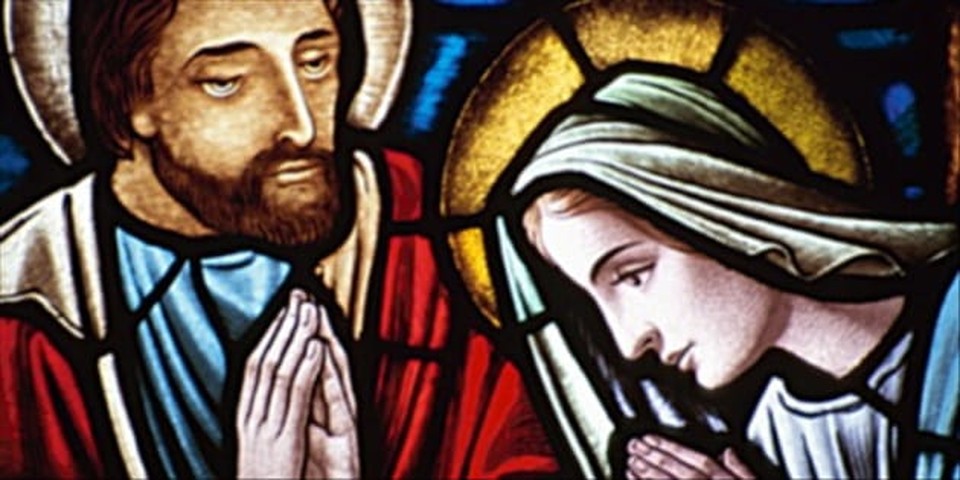
Stained-Glass Saints?
If you've ever visited the great cathedrals in Europe, you'd think the apostles were larger-than-life stained-glass saints with shining halos who represented an exalted degree of spirituality. But actually, they were very, very common men.
It's a shame they have so often been put on pedestals as magnificent marble figures, or portrayed in paintings like some kind of Roman gods. That dehumanizes them. They were just twelve completely ordinary men — human in every way — and we shouldn't lose touch with who they really were.
So what qualified those men to be apostles? The truth is, it wasn't any intrinsic ability or outstanding talent of their own. They were Galileans. They were not the elite. Galileans were considered low-class, rural, uneducated, people. They were commoners, nobodies. But those nobodies would become the preeminent leaders of the fledgling church — its very foundation!
Now when it comes to church leadership, there are some rather clear moral and spiritual qualifications that men must meet. The Bible sets the standard extremely high (see 1 Timothy 3:2-7; Titus 1:6-9; Hebrews 13:7).
But you know something? The standard isn't any lower for the rest of the church. Leaders are to be examples for all others who strive to meet the same standard. There is no such thing as an acceptable "lower" standard for rank-and-file church members. In fact, in Matthew 5:48, Jesus said to all believers, "Be perfect, just as your Father in heaven is perfect."
That's a tall order! Frankly, no one meets such a standard. Humanly speaking, no one "qualifies" when the standard is utter perfection. What joy there is in knowing that it is God Himself who must save sinners, sanctify them, and then transform the unqualified into instruments He can use.
The twelve were like the rest of us; they were selected from the unworthy and the unqualified. They were, like Elijah, men "with a nature like ours" (James 5:17). They did not rise to the highest usefulness because they were somehow different from us. Rather, their transformation into vessels of honor was a divine work and their incredible influence is a result of the divine message they preached.
Why God Chooses Us
Do you ever become discouraged and disheartened when your spiritual life and witness suffer because of personal sin or failure? We tend to think we're worthless nobodies — and left to ourselves, that would be true! But be encouraged — worthless nobodies are just the kind of people God uses. If you think about it, that's all He has to work with!
But have you ever stopped to consider why that's true? Listen to this: God chooses the humble, the lowly, the meek, and the weak so that there's never any question about the source of power when their lives change the world. It's not the man; it's the truth of God and the power of God in the man. Next time you're reading through the gospels or the book of Acts, take a few minutes to consider the work of God in the apostles. They were slow to believe, slow to understand, and had horrendous memories! Sound familiar?
Don't worry — that is perfectly consistent with the way the Lord always works. 1 Corinthians 1:20-21 says, "Where is the wise? Where is the scribe? Where is the disputer of this age? Has not God made foolish the wisdom of this world? For since, in the wisdom of God, the world through wisdom did not know God, it pleased God through the foolishness of the message preached to save those who believe." That is the very reason there were no philosophers, no brilliant writers, no famous debaters, no distinguished teachers, and no men who had ever distinguished themselves as great orators among the twelve Christ chose. They became great spiritual leaders and great preachers under the power of the Holy Spirit, but it was not because of any innate oratorical skill, leadership abilities, or academic qualifications they had. Their influence is owing to one thing and one thing only: the power of the message they preached.
On a human level, the gospel was considered a foolish message and the apostles were deemed unsophisticated preachers. Their teaching was beneath the elite. They were mere fishermen and working-class nobodies. Peons. Rabble. That was the assessment of their contemporaries and that has been the majority opinion of the genuine church of Christ throughout history and to this very day! "For you see your calling, brethren, that not many wise according to the flesh, not many mighty, not many noble, are called" (v. 26).
But think about this: "God has chosen the foolish things of the world to put to shame the wise, and God has chosen the weak things of the world to put to shame the things which are mighty; and the base things of the world and the things which are despised God has chosen, and the things which are not, to bring to nothing the things that are, that no flesh should glory in His presence" (vv. 27-29). God's favorite instruments are nobodies, so that no man can boast before God. In other words, God chooses whom He chooses so He might receive the glory. He chooses weak instruments so no one will attribute the power to the instruments but rather to the God who wields the instruments. Those who pursue their own glory will sadly find God's strategy unacceptable — and they'll miss out on true glory and true joy.
With the notable exception of Judas, the apostles were not like that. They certainly struggled with pride and arrogance like every fallen human being. But the driving passion of their lives became the glory of Christ. And it was that passion, subjected to the influence of the Holy Spirit — not any innate skill or human talent — that explains why they left such an indelible impact on the world.
Adapted from Twelve Ordinary Men, by John MacArthur. © (Thomas Nelson). All rights reserved. Used by permission.
Originally published June 11, 2007.