"I've Got to Do Something!"



Each morning, as Moses rose from his bedchamber, he looked over the wide expanse of the Egyptian kingdom, a kingdom that would one day be his. The lush banks of the Nile, the far-reaching mountains of the Sinai, the stunning architecture, culture, and wealth of the world's only superpower.
But as Moses peered out his window, he didn't see Egypt's greatness. Because every massive pyramid that rose up from the hot dessert sand, every garden which graced the Nile, every overflowing storehouse... was built on the backs of the Hebrews. The Hebrews were unwanted slaves, immigrants who were seen as a threat to the Egyptian way of life.
To everyone else, the cracking of the taskmasters' whips was just part of the harmony of everyday kingdom life. But for Moses, it was discordant. These were his brothers and sisters, cousins and uncles, suffering under the thumb of an unjust ruler.
Every time he walked away with a hollow feeling in his gut. I've got to do something.
Moses' Quick First Action
When we piece together the various accounts of Moses life from Genesis, Acts, and Hebrews, we find a single, crystallizing moment where Moses made his big move. He faced a terrible choice. He could hide his identity and ignore the crisis involving his brethren or he could turn his back on a life of wealth and royalty and face an uncertain future.
For Moses, it really wasn't a tough choice, because he never really forgot his roots. He never forsook the faith of his birth mother. Plus, Moses had a big heart. He couldn't enjoy the luxuries around him while others suffered so mercilessly. He had to do something, anything.
Now, we're so quick to judge Moses' impulsive killing of a Egyptian taskmaster as a rash and unwise action, but before we get on our high horse, let's consider something. At least Moses did something. Moses risked everything to help someone in need. Would we do that?
American Christians are really in the same position as Moses. Thousands around the world die every day from starvation, disease, and war. Even some in our own borders live in poverty. Yet we've conditioned ourselves to turn off the TV when the images appear. We send letters from mission groups straight into the recycle bin. Visiting missionaries get a nice pat on the back, a small check, and are forgotten within a week.
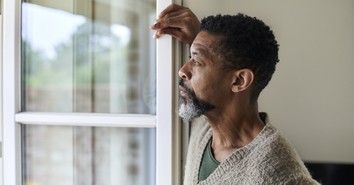
When the cries of the suffering our window sill, love should compel us, like Moses, to do something.
The Wilderness of Limitation
The plight of the Hebrews moved Moses to action, but the next forty years would be a huge test. Would the radical faith that saw him give up a life of comfort in the kingdom of Egypt sustain him through forty seemingly fruitless years in the wilderness?
Perhaps you're like Moses and you've said to God, "Okay, I hear you, I want to do something," and now, all of a sudden, there obstacles in the way. Like big, 40-years-in-the-wilderness obstacles. Now what?
If it was me planning Israel's rescue, I would have cast Moses as the "prince-turned-revolutionary" - leading the Hebrews in a revolt against the throne. We already know from historians that Moses was a great battlefield general. Why not have him take on Egypt? Can't you see the movie trailer already, "General leads rag-tag group of revolutionaries against the king."
Ahh, but God doesn't usually work the way we think he should. So when we've decided to "do something" and He allows walls to form and doors to close—this is where we must trust Him, wait for Him to act, and then seize the moment.
His Plan... or Ours?
Imagine Pharaoh's shock when he saw the 80-year old Moses stroll into the court and command him to let the Hebrews go. Fresh from the sheep fields, old Moses probably wasn't exactly a commanding presence. Not the confident prince he was 40 years earlier. But this is God at work—in the most unexpected ways with the most unexpected methods.
See, way back in the hallowed halls of Egypt, Moses had the passion. But he wasn't ready for God to use him. It took 40 years of sheepherding to figure out that God's will can't possibly done without God's power. Leading Israel out of Egypt was a superhuman task.
And so is the task God is pulling on your heart to do. That desire to do something in your community, your church, your world—this God-given. But on your own, you'll fail, burn out, and those people in need will suffer. You must trust God's will and God's timing. As hard as that is to do.
If Moses had led the Hebrews in a successful revolt against Egypt, the credit would have gone to Moses. The headlines would have read, "Protégé' beats Master as Israel overtakes Egypt" or "Favorite Son Leads New Era in Egypt" or "War Hero Leads Persecuted People to Victory over Nemesis."
You see the problem with that? There's no mention of God. So instead, God's way is to have Moses age 40 more years, lose his military edge in the flocks of his father-in-law, get married, get fat, have a few kids, and then when he can hardly walk anymore, lead Israel from Egypt.
Only it wouldn't be Moses leading. It would be God. Witness the plagues, the parting of the sea, the pillar of fire and cloud—its all about God and not about Moses.
And in your school, your home, your church, your community, it's all about God and not about you. The burden's he's placed deep in your soul? He will fulfill it—in His time. But get ready, because the adventure you're about to undertake is exciting and unexpected. A journey to places you never thought you'd go.
Daniel Darling is the author of Teen People of the Bible. Visit him at danieldarling.com.
Originally published October 29, 2012.