




Trending Articles




Recent News
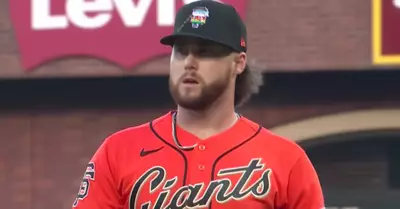
Minor League Baseball Team Cancels Pride Night Game after Players Reject Rainbow Jerseys Nick Vujicic Reflects on Loss, Fatherhood, and Faith in New Film 4 Reasons Families Will Love ‘Toy Story 5’ Anti Trafficking Ministry Rescues over 400 Victims The Danger of Growing Numb to Human Suffering Most Americans Want a More Religious Society, Gallup Finds Christian Flag Victory: Jersey City Reverses Course after Religious Liberty Group Intervenes Half of U.S. Pastors Will Hold America’s 250th Anniversary Celebrations Chick-fil-A Dethroned as America’s Favorite Fast-Food Chain after 11-Year Run MLB Faces Scrutiny after Warning Giants Pitchers about Bible Verses on Caps German Soccer Team Prays with Curacao Opponents Major Terror Plot Stopped on Trump’s 80th Birthday
Trending Articles
Recent News
Minor League Baseball Team Cancels Pride Night Game after Players Reject Rainbow Jerseys Nick Vujicic Reflects on Loss, Fatherhood, and Faith in New Film 4 Reasons Families Will Love ‘Toy Story 5’ Anti Trafficking Ministry Rescues over 400 Victims The Danger of Growing Numb to Human Suffering Most Americans Want a More Religious Society, Gallup Finds Christian Flag Victory: Jersey City Reverses Course after Religious Liberty Group Intervenes Half of U.S. Pastors Will Hold America’s 250th Anniversary Celebrations
Positive Stories




Celebrity




Video






Opinion





Church




Entertainment



Sports




Movies



Politics




Israel






Christian News Headlines - Breaking and Trending Religion News
Crosswalk Headlines - Christian news brought to you by a group of Christian writers and editors who are dedicated to creating a well-rounded look at what’s happening across the globe from a Christian worldview. Our vision is to inform and inspire productive discussion about the current events and online trends that shape our lives, our churches and our world.Crosswalk Headlines includes blog posts about current events and Christian media, breaking news, feature articles, and guest commentaries, many written by respected Christian thinkers.