Growing Up in Christ - iBelieve Truth: A Devotional for Women - November 26, 2024



“Blessed are the poor in Spirit, for theirs is the kingdom of heaven.” Matthew 5:3
There is something about the age of ten. My youngest is really stretching the meaning of what it means to be growing up these days. He isn’t the best listener and obedience is absolutely not his first choice. He isn’t a bad kid, but he is learning what it means to grow up. He is learning that there are consequences for his choices, good or bad.
When I find myself frustrated with him, God often reminds me of myself. I am not the best listener to God’s instructions. There are also plenty of days when obedience isn’t my first choice either.
The beauty of being a follower of Christ is that we are Kingdom citizens, and God is graciously sanctifying us into being more and more like Christ every day. That means we haven’t arrived yet.
Despite ongoing sanctification, there are qualities that are indicative of a believer. They are markers that they have been changed by the gospel.
The Beatitudes are one of my favorite passages in Scripture. Not only is it Christ Himself teaching His disciples, but these characteristics come full circle at the Sermon on the Mount. Matthew 5-7 is the first discourse or sermon that we see in the Book of Matthew, and Jesus uses this opportunity to combat the teaching of the Pharisees. The Pharisees were the ones who lived by law alone.
The Pharisees taught the law to the people, and they taught people what they believed the law to mean... but their teaching was wrong. We know it was wrong because Christ spent a great deal of time in the gospels correcting their thoughts on the law versus grace.
Meanwhile, The Beatitudes describe the blessed state of Kingdom citizens. The word “blessed” literally means fortunate or happy. When we see this term used throughout Scripture, it is most often used to describe happiness that comes from God.
Those who are blessed have something that the lost world does not. Redemption in Christ is what brings ultimate blessing and joy.
In verse 3, Christ states that the one who is poor in spirit receives the Kingdom of Heaven. Those who are poor in spirit are spiritual beggars, living in spiritual poverty. They are completely without righteousness before God. The poor in spirit understand they are spiritually dead apart from Christ. A believer who is poor in spirit fully understands that salvation is all from Go and not of their works. They understand that who they are in light of a holy God is utterly without hope. They are not financially poor but spiritually poor, completely unable to save themselves.
That was a rub for the Pharisees because they believed that obedience to the law was what earned them a spot in eternity. The law's purpose, however, was to reveal how lost the people of God were. It revealed their weakness. It revealed that, spiritually, they were poor.
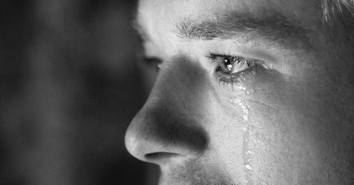
When the poor in spirit cry out to God for help, they do so knowing that they are fully dependent on God. They know that the grace of God meets every need they have, and they are humbled by what they don’t deserve.
They recognize that in and of themselves they are without hope, yet in Christ they have life.
Do you recognize your spiritual poverty? This recognition should be what fuels us to obedience in Christ. We know who we are in light of the Almighty. We know that in His sovereign grace we have been redeemed. Therefore, we become grown-ups in Christ.
The Beatitudes represent one who is “grown up” in Christ. They are believers who are spiritually mature. Unlike my ten year old, the believer sees themselves for who they are and lives out who they are called to be as Kingdom citizens, obedient and humble.
Let's pray:
Lord, we are utterly poor in light of who you are. There is nothing we can do to save ourselves, and for that, we are full of gratitude for your gift of salvation. There is nothing I can do to earn your grace, but you are full of mercy and pour out your grace on us freely. Thank you for your goodness to us. Help us walk in it every day. Amen.
Photo Credit: ©Getty Images/Ippei Naoi
Michelle Rabon is helping women be disciples who make disciples. Michelle has her MDiv in Ministry to Women from Southeastern Baptist Theological Seminary and is currently serving as Women’s Ministry Director in her local church. She is also the author of Holy Mess. When she is not writing or teaching, she enjoys reading, being close to the ocean, and drinking a lot of coffee. You can connect with Michelle at www.michellerabon.com
Related Resource: The Blind Spots Hurting Your Relationships
In this episode of I Wish You Could Hear This, Shaunti and Jeff Feldhahn sit down with licensed professional counselor and bestselling author Debra Fileta for an honest and insightful conversation about the relationship blind spots many of us don’t realize we have. Together, they explore how emotional patterns, past wounds, and unrecognized habits can quietly shape the way we connect with others.
Debra shares practical wisdom on how to grow in self-awareness, strengthen communication, and take ownership of the ways we impact the people we love. Whether you’re dating, married, leading others, or simply wanting healthier relationships, this episode offers hope-filled tools to help you break unhealthy cycles and build deeper connection.
If you’ve ever wondered why relationships can feel harder than they should—or how to become a healthier version of yourself—this conversation is for you. Like what you hear? Be sure to follow I Wish You Could Hear This on Apple or Spotify so you never miss an episode!
Like what you hear? Be sure to follow I Wish You Could Hear This on Apple or Spotify so you never miss an episode!