The Beauty of Change - iBelieve Truth: A Devotional for Women - September 17, 2025



"There is a time for everything, and a season for every activity under the heavens:" (Ecclesiastes 3:1, NIV).
I've never liked change. Part of me blames my type-A personality, while the other half believes this is just the way I'm wired. We're creatures of habit, and when we're used to operating in one particular time and space, we don't like to adapt to something different or new. It doesn't mean something new or different is bad; it just makes us uneasy. The deep pit in our stomachs grumbles, and instead of embracing newness with open arms, we quickly shut down.
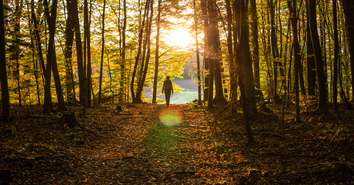
When it comes to the change of the seasons, however, I've learned to appreciate their beauty for what it's worth. While I wish I lived somewhere 90 and sunny year-round, few things come close to the splendor of rolling mountains into hills, snowy-covered porches, and multi-colored leaves shedding their old life for the new. Though often unpredictable, the result is suddenly stunning. Spring buds bloom with chrysanthemums and orchids in abundance. Summer shines bright over the busy bees and cloudless days. Falls cooler nights welcome bonfires, burnt orange reflections in the wind. Though dead and bare, winter prepares us for slower and darker seasons. Each is unique and beautiful. Nature gracefully embraces change. So why don't we?
Ecclesiastes 3:1 reminds us that there is beauty in every season. The passage describes periods of birth and death, planting and uprooting, killing and healing, tearing down and building, weeping and laughing, mourning and dancing, and so forth. The verses don't indicate that these periods are easy, but there is a time for everything—even when we don't understand its timing or purpose.
Today, I want to encourage you to embrace the beauty of change. If you're anything like me, this is hard. Sign me up on the struggle bus, for sure. I would rather pull teeth and hair than go through another season of unfamiliarity and unexpectedness. And yet, this verse challenges me, just like the falling leaves on my tree outside my window. Because if I can see beauty in them, I know God can help me see the beauty in myself.
What does this practically look like?
1. Try writing an honest prayer to God. Explain the season you're in and lay out your struggles before Him. Then, look back on His faithfulness. See how He's brought you through past circumstances, and cling to the promise that He will do that in your current season, too.
2. Take a prayer walk outside. Look at the leaves and truly look at them. Reflect on the beauty of creation and nature. Then, think about how God created you. Such thoughtfulness went into your creation as a human being made in the image of our Savior.
3. Talk to a counselor, pastor, or trusted friend about your fear of change. Learn practical coping skills and write down what you can and can't control. Sometimes, identifying just a few things we can control can help us to feel less anxious about what we can't. We're then better equipped to handle change with ease.
4. Read the entire chapter of Ecclesiastes 1. Write down the seasons you identify in this passage, and list the ones that make you the most uncomfortable. Write a prayer to the Lord expressing these things, and ask Him to help you understand their purpose. Even if we don't understand now, we can trust our loving Father to be with us.
5. Meditate on Ecclesiastes 3:1. Using a breath prayer, mentally recite the first half of the verse ("There is a time for everything") while breathing in through your nose slowly for four counts. Next, hold your breath for four counts. Then, mentally recite the second half of the verse ("and a season for every activity under the heavens:") while breathing out through your mouth for eight slow counts.
Prayer
Dear Jesus,
Change is hard, but it's also inevitable. Instead of running from or denying it, help me accept it with open arms, knowing you will lead me through it. Show me how to see the beauty in every season of my life, and when I grow weary, remind me of your goodness. Help me to understand why there's a season for everything, and how you can create beauty out of every place I've been and every place I'll ever go. We love, praise, and thank you, Jesus. Amen.
Photo Credit: ©iStock/Getty Images Plus/The-Vagabond

Related Resource: The Blind Spots Hurting Your Relationships
In this episode of I Wish You Could Hear This, Shaunti and Jeff Feldhahn sit down with licensed professional counselor and bestselling author Debra Fileta for an honest and insightful conversation about the relationship blind spots many of us don’t realize we have. Together, they explore how emotional patterns, past wounds, and unrecognized habits can quietly shape the way we connect with others.
Debra shares practical wisdom on how to grow in self-awareness, strengthen communication, and take ownership of the ways we impact the people we love. Whether you’re dating, married, leading others, or simply wanting healthier relationships, this episode offers hope-filled tools to help you break unhealthy cycles and build deeper connection.
If you’ve ever wondered why relationships can feel harder than they should—or how to become a healthier version of yourself—this conversation is for you. Like what you hear? Be sure to follow I Wish You Could Hear This on Apple or Spotify so you never miss an episode!
Like what you hear? Be sure to follow I Wish You Could Hear This on Apple or Spotify so you never miss an episode!