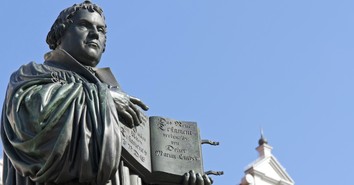
The Power of Forgiveness in Healing - iBelieve Truth: A Devotional for Women - November 3, 2026



Listen or Read Below:

Audio By Carbonatix
"Bear with each other and forgive one another if any of you has a grievance against someone. Forgive as the Lord forgave you." — Colossians 3:13 (NIV)
Forgiveness sounds beautiful…until you actually have to do it.
When the hurt is real — trust was broken, words were said that cannot be unsaid, someone you loved caused you genuine harm or betrayal — forgiveness doesn't feel like freedom; it feels like being asked to minimize what happened, to pretend it didn't matter, to let someone off the hook who doesn't deserve it.
Recently, I've had to forgive impossibly hard things. I've also sat with friends who were carrying wounds so deep that even thinking about the word "forgiveness" seemed like an insult. But I've seen — in my own life and in theirs — what happens when unforgiveness is allowed to root itself quietly in the soul. It doesn't protect us the way we hope it will. It keeps us bound to the very pain we're trying to escape.
Forgiveness is one of the most counterintuitive, costly, and ultimately freeing acts of the Christian life. And Scripture has more to say about it than we sometimes want to hear.
Colossians 3:13 does not suggest forgiveness. It instructs it — and it grounds that instruction in something weighty: forgive as the Lord forgave you.
This is the theological foundation of Christian forgiveness. We are not forgiving from a position of moral superiority. We are forgiving because we ourselves have been forgiven a debt we could not pay. The grace extended to us through Christ is the very grace we are called to extend to others.
But it's important to say clearly what forgiveness isn't. It is not the same as reconciliation, which requires the other person's genuine participation. It is not the erasure of consequences. It is not a declaration that the wound didn't matter. Forgiveness, at its core, is a releasing — a decision to stop demanding that the person who wronged you pay a debt they may never repay and entrusting the justice of the situation to God.
This is what makes forgiveness an act of faith. We release what we cannot resolve to the One who is both perfectly just and perfectly merciful.
Forgiveness is rarely a single moment — it is usually a long, often slow, walk. Here are some ways to begin:
- Name your wounds honestly. You cannot forgive what you haven't acknowledged. Bring your specific hurts to God in prayer — not to rehearse bitterness, but to be honest with God about what happened and what it cost you. God can, and wants to, hold the full weight of the hurt.
- Differentiate forgiveness from trust. Forgiveness can be given freely. Trust, on the other hand, must be earned. Trust must be rebuilt over time- via consistent action. This is not a contradiction. In fact, it is acceptable (and wise) to forgive someone while continuing healthy boundaries with them.
- Return to the cross. When forgiveness feels impossible, return to the magnitude of what you yourself have been forgiven. The parable of the unmerciful servant in Matthew 18 is uncomfortable for a reason — it is meant to be a mirror. Ask Jesus to fill you from his well of unending forgiveness.
- Ask God for the willingness to forgive. Forgiveness begins with choice, not the feeling of forgiveness. Start with a prayer: God, I cannot do this on my own. Please give me what I do not have.
Is there someone you need to begin the slow walk of forgiving today?
Let's pray ...
Lord,
Forgiveness feels entirely impossible sometimes. I can’t do it without you. Please help heal me from the wounds I carry and the betrayal I have experienced. Please see me and see the places where I have held on to anger.
You are calling me to something different —to a deeper place — to the kind of forgiveness that is only possible because of what you did for me on the cross. Thank you - You did not minimize what sin costs. You absorbed it. And you are asking me to extend that same costly grace to someone who has hurt me.
I cannot do this on my own. So please do for me what I cannot do for myself. Soften what has hardened. Help me release the unforgiveness I have been holding on to. Give me the grace to forgive as I have been forgiven — not because it is easy, but because you are the God who makes impossible things possible.
Heal me as I heal.
Amen.
What truth from today’s devotional is God using to encourage your heart? Share your reflection and join our conversation in the iBelieve Truth Devotional Forum.
Feel like digging a little deeper? Here is a wonderful resource to meet you right where you are. 9 Prayers to Gain a Heart for Heaven + Daily Prayer Journal
Photo Credit: ©Getty Images/ Helmut Hess

Related Resource: The Blind Spots Hurting Your Relationships
In this episode of I Wish You Could Hear This, Shaunti and Jeff Feldhahn sit down with licensed professional counselor and bestselling author Debra Fileta for an honest and insightful conversation about the relationship blind spots many of us don’t realize we have. Together, they explore how emotional patterns, past wounds, and unrecognized habits can quietly shape the way we connect with others.
Debra shares practical wisdom on how to grow in self-awareness, strengthen communication, and take ownership of the ways we impact the people we love. Whether you’re dating, married, leading others, or simply wanting healthier relationships, this episode offers hope-filled tools to help you break unhealthy cycles and build deeper connection.
If you’ve ever wondered why relationships can feel harder than they should—or how to become a healthier version of yourself—this conversation is for you. Like what you hear? Be sure to follow I Wish You Could Hear This on Apple or Spotify so you never miss an episode!
Like what you hear? Be sure to follow I Wish You Could Hear This on Apple or Spotify so you never miss an episode!