What "Emotional Flooding" Says About Our Age of Overwhelm




Table of Contents
- What Is Emotional Flooding?
- What Does Jesus Have to Do with Emotional Flooding?
- How Can Christians Respond to Emotional Flooding?
- 6 Things You Can Do When You Feel Emotionally Flooded
- Frequently Asked Questions About Emotional Flooding
- For Further Reading
It happens in the middle of an ordinary argument. Or in the grocery store. Or on a Tuesday afternoon when nothing is particularly wrong except that everything feels like too much. One moment you are a functioning adult; the next, you are somewhere else entirely — heart pounding, thoughts fragmenting, the ability to reason or speak or stay in the room is suddenly unavailable to you. You are not being dramatic. You are flooded emotionally.
The term emotional flooding — long used in psychology to describe the state in which emotions become so intense that clear thinking and calm communication begin to shut down — has doubled in search interest in 2026. People are looking it up alongside related searches for "feeling overwhelmed", "how to calm down fast," and "why can't I control my emotions." What that search reveals is not, as is often suggested, a generation that has become emotionally fragile. What it reveals is a generation that has finally found language for something that has been happening to them — and to other generations—for years, but had no name.
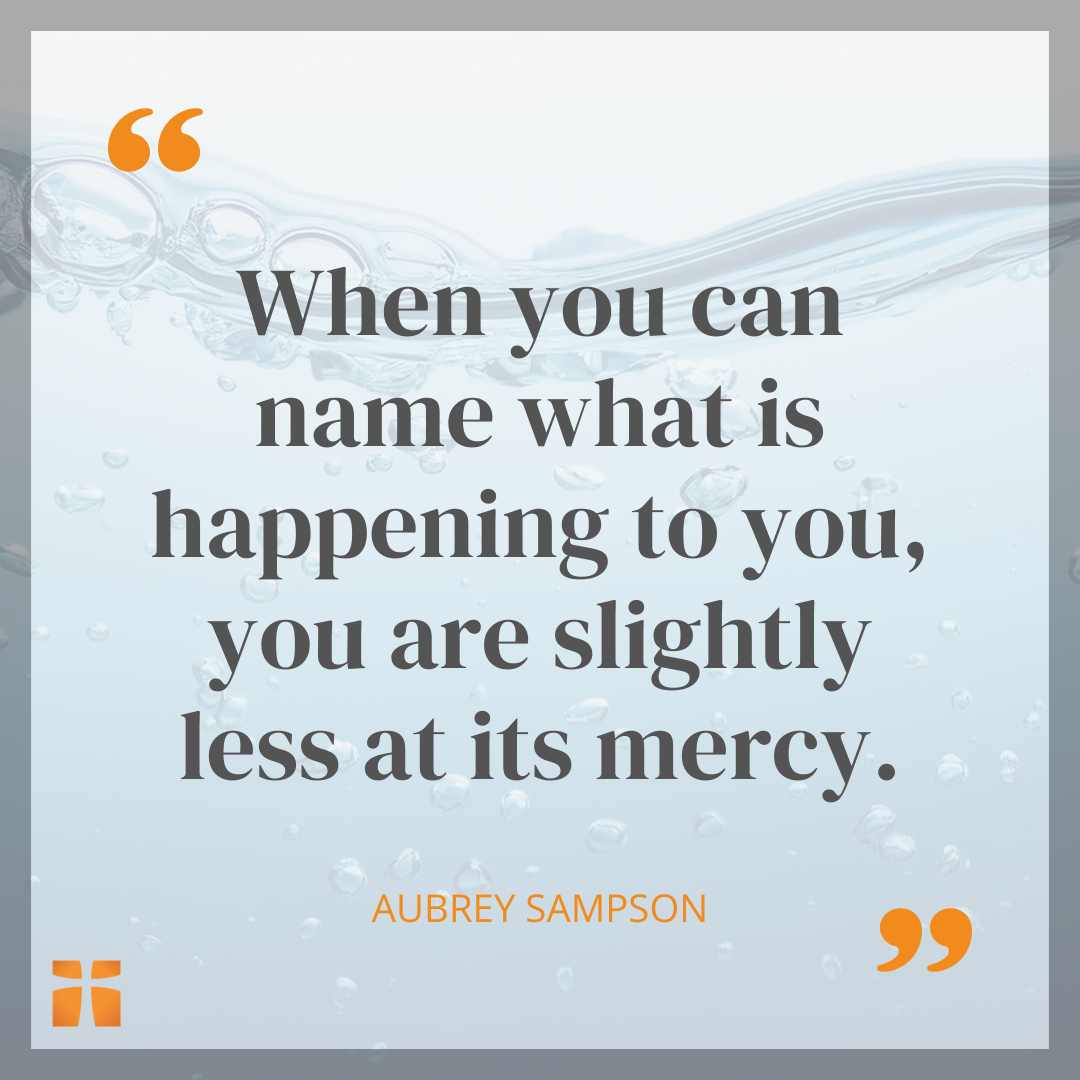
Names matter. I have written much about this in my book Known. When you can name what is happening to you, you are slightly less at its mercy. And the fact that so many people are trying to identify this specific name right now tells us something important about the age we are living in.
Emotional flooding happens when feelings become so intense that clear thinking, calm speech, and steady presence begin to shut down. This article explores why emotional flooding feels more common in an age of chronic overwhelm, how the Christian faith speaks to that experience, and what practical tools can help when the water rises.
What Is Emotional Flooding?
Emotional flooding is a state of overwhelm in which the body moves into survival mode, and the mind struggles to stay calm, clear, or connected. It can happen during conflict, stress, grief, or accumulated exhaustion. While the experience is deeply physical, it is also spiritual, raising questions about safety, presence, and where we turn when we feel we are going under.
Emotional flooding is not new. The physiological mechanism behind it — what researcher John Gottman described as a state of diffuse physiological arousal, characterized by a surge in heart rate and the body shifting into survival mode — has always been part of human experience. What is new is the relentlessness of the conditions producing it.
We live in an environment of chronic, low-grade threat. Not the acute threat of a predator or a crisis, which the nervous system is well-designed to handle, but the ambient threat of financial precarity, political instability, digital overload, social fragmentation, and the particular exhaustion of caring for others in systems that were not built to support caregivers. This kind of stress does not resolve after an eight-hour workday. It accumulates over time. An accumulated nervous system is one that is close to flooding before anything dramatic triggers it.
This is why emotional flooding has become a collective experience rather than simply an individual one. It is not that people lack coping skills. It is because the water level has risen. And when the water level rises, the flood comes faster, with less warning, from smaller triggers than anyone expected.
The Christian tradition has extraordinary resources for the overwhelmed person. We have a God who is repeatedly described as near to the brokenhearted. We have scripture full of people who were flooded — who raged and wept and lost their ability to form coherent thoughts in the face of suffering and were not condemned by God for it. We have a Savior who wept at a grave, who sweated blood in a garden, who cried out from the agony of the cross. We have, in other words, a faith that takes the overwhelmed body seriously.
What Does Jesus Have to Do with Emotional Flooding?
The doctrine of the Incarnation is, among other things, a statement about emotional and physical reality. When God became human in the person of Jesus, God did not become a serene superhuman who transcended the nervous system, who never flooded, who moved through suffering with uninterrupted calm. The Gospels do not give us that Jesus. Jesus was troubled in spirit at the sight of grief. Jesus expressed anguish so acute in Gethsemane that his body registered it as a medical event. Jesus quoted, from the cross, a psalm of desolation — My God, my God, why have you forsaken me — which is not the language of someone who has successfully regulated their emotional response to suffering. It is the language of someone in the flood.
The Incarnation means that God did not observe human overwhelm from a safe distance and offer instructions for how to manage it better. God entered it. God inhabited the overwhelmed body, the fragmented thought, the moment when the self loses its footing, and the water rises. And in entering it, our overwhelm can become a place where God’s presence can be found — not after the flood subsides, not on the other side of recovery, but in the flood itself. So maybe the question is not: how do we stop emotional flooding? Maybe it’s: how do we find God in the flood? And how do we build communities where the overwhelmed person is not handed a simple solution but given the real presence of a community of faith who will stay in the room, who will not rush toward resolution, who will sit with the rising water and say: you are not alone here.
There is a practice that trauma-informed therapists call co-regulation — the process by which one person's calm nervous system helps another person's flooded nervous system begin to settle. This is the regulated presence of another person, close enough to be felt. And it works, not because of anything the calm person says, but because of something we were built for: community in our distress. Consider a peaceful mama calming her anxious child by holding the baby close, shushing her, rocking her, and soothing her – this is an act of co-regulation. And this is, at its root, a profoundly incarnational idea. We were made by our incarnational God to carry one another's nervous systems. We were made to be a physical, embodied presence to one another in the flood — not to give advice in it, not to explain it, not to hurry past it toward the lesson it contains, but to be with it, and be with the person inside it.
In fact, to witness someone's flooding — to stay present without flinching, without fixing, without redirecting them toward the silver lining — is to offer them something the search engine cannot. It is to say, with your presence: what is happening in you is real, and you are not too much. You are loved. The increased search interest in emotional flooding is, at one level, a mental health story. But at another level, it is a spiritual hunger in disguise. People are not just looking for techniques to calm their nervous systems. They are also looking for someone who will not be frightened by the intensity of their experience. They are looking for a community that will not rush them toward being okay. They are looking, whether they know it or not, for a God who has been in the flood and overcame it.
That God exists. And the people of God have an opportunity — not to manage the overwhelmed, but to accompany them. To resist the pull of spiritual bypassing. To learn the slow, costly, deeply human practice of staying in the room when the water rises.
How Can Christians Respond to Emotional Flooding?
Christians can respond to emotional flooding with both compassion and patience. Flooding is not proof of spiritual failure, weakness, or lack of faith. It is often a sign that the body and soul are carrying more than they were meant to carry alone. A faithful response may include pausing, seeking a safe presence, naming what is happening, and remembering that God’s nearness does not wait until we are fully calm. He meets us in the overwhelm itself.
6 Things You Can Do When You Feel Emotionally Flooded
First: recognize it. Racing heart. Fragmented thinking. The urge to flee, shut down, or say something you'll regret. You're probably flooded. Naming it creates just enough distance to choose what comes next.
- Pause. Your brain has physiologically rerouted. So it’s helpful to stop and breathe. Consider this: Selah appears 71 times in the Psalms. Scripture knows the value of a pause. So can you.
- Breathe longer on the exhale. Inhale 4 counts, exhale 6–8; repeat 4–5 times. The long exhale activates your parasympathetic nervous system — your body's built-in path back from the flood. As you exhale, try saying Ruach — the Hebrew word for Spirit, which also means breath.
- Name what you're feeling. Say it out loud or write it down: I am angry. I am frightened. I feel humiliated. Naming an emotion reduces its intensity — it reminds you that you are not the flood, you are the person in it.
- Get physically present. Feel your feet on the floor; hold something cold; notice five things you can see. Flooding pulls you out of the present — this helps you remember where you are.
- Find a regulated person. Don't isolate. Seek someone safe enough to simply sit with you while the emotional floodwaters rise.
- Invite Jesus to meet you. Invite the Incarnate God to meet you in your overwhelm. He is close to the broken-hearted and rescues those who are crushed in spirit (Psalm 34), and He knows what overwhelm feels like. His divine presence will meet you there.
Frequently Asked Questions About Emotional Flooding
- What is emotional flooding?
Emotional flooding is a state of overwhelm where emotions become so intense that clear thinking, calm communication, and grounded presence begin to shut down. - Why does emotional flooding happen?
It can happen when stress, conflict, grief, or accumulated pressure push the body into survival mode. Often, it is not one dramatic event but many unresolved demands building over time. - Is emotional flooding a sin or a sign of weak faith?
No. Emotional flooding is not the same as spiritual failure. The article makes a strong case that Scripture and the life of Jesus take the overwhelmed body seriously and do not treat distress as disqualifying. - What helps when you are emotionally flooded?
Helpful responses include pausing, breathing slowly, naming what you feel, grounding your body in the present, finding a safe and regulated person, and inviting Jesus to meet you in the overwhelm.
For Further Reading
- 7 Verses That Speak to the Flooded Soul
- Prayers for Anxiety When You Feel Overwhelming Panic
- How to Find Peace When Anxiety Makes It Hard to Breathe
- 8 Important Ways for Christians to Care for Their Mental Health
- 5 Psalms of Lament to Remind Us We Are Not Alone
Photo Credit: SWN Design

Originally published April 23, 2026.