5 Subtle Ways We're Letting AI Theology Replace the Holy Spirit


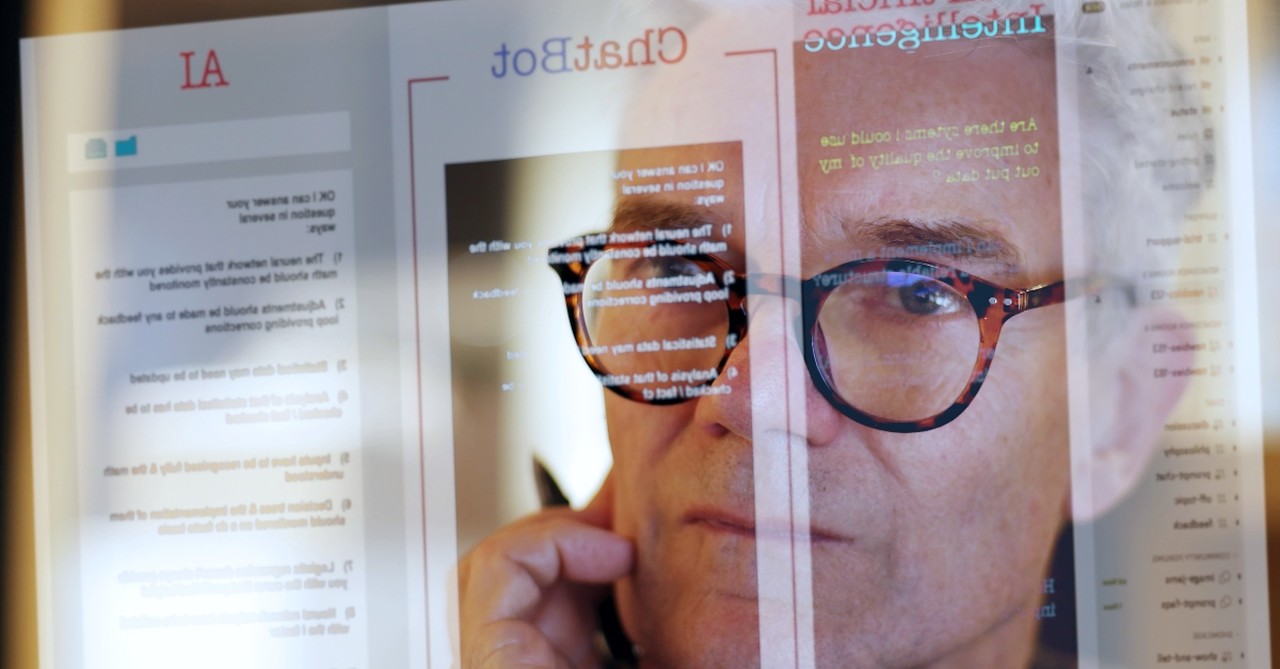
The progression of Artificial Intelligence has advanced by light-years in a very short time. What was once a glitchy, obvious copycat rendering is approaching quality levels that rival organically sourced, human-designed material. This moves us into uncharted waters where we, as Christ followers, must operate with wisdom and discernment.
1. Asking ChatGPT Before Asking God

1. Asking ChatGPT Before Asking God
When problems arise or decisions are to be made, where do you first seek counsel? Especially if you need a quick answer, it's become common to pull out your phone or computer and head straight to ChatGPT for answers. This is not a sin, but it holds the capacity to become a wedge between you and the Lord if you are seeking important answers and instruction from the online bot before Almighty God. James 1:5 reminds us that God delights in giving us wisdom, “If any of you lacks wisdom, you should ask God, who gives generously to all without finding fault, and it will be given to you.” It is His joy to communicate with you, to train you up, and to provide you with sound advice that is coupled with an experience of communion with your Heavenly Father. As much as the Enemy would like for you to believe that God does not care about your situation, or that He will not respond to your prayer, don’t fall prey to his trap. Remember that God is omnipresent, omnipotent, and omniscient; He knows everything. Even if it is how to respond to an email, or how to have a difficult conversation with a loved one, or where to send your child to school, God knows, and He can be trusted.
A great Scripture to pray when you ask God for His direction is that of Jeremiah 33:3, “‘Call to me, and I will answer you and tell you great and unsearchable things you do not know.’ Not only will you receive clarity, but you will take great joy in finding the answer through an experience with your Maker.
2. AI Sermons

2. AI Sermons
A popular use for AI is creating outlines and content for speaking or presentation purposes. In a few mere seconds, it can collect, gather, and organize material. It makes complete sense why several pastors see AI as a time-saver for constructing sermons. The danger is that AI is not always trustworthy; it draws from myriad sources, but these sources are not always fact-checked to ensure the final product is dependable. It additionally places its inspiration not in the Holy Spirit but in fallible technology. There is no replacement or alternative to the sacred, Holy, Divine Spirit of God. As accessible or as effortless as AI Sermons are to make, they omit the opportunity for God to grant the speaker insights only He can offer. There is no match for what God can offer; don’t settle for counterfeits.
Related: Why AI Will Never Preach a Spirit-Filled Sermon
Photo credit: ©Unsplash/ Andrew Seaman
3. Content Creation

3. Content Creation
If you were to turn on the news to see a report of something miraculous, would you believe it, or would you question if it was AI-generated? We are becoming increasingly skeptical of what is reality and what is a deepfake, discounting the possibility of a supernatural miracle as an AI hoax. A danger of AI in Theology is that it has flooded so much of the media, so we even question whether testimonies are valid or something fabricated. This is not to say that we should immediately accept every account as gospel, but it is to motivate us to be seekers of truth in every case. Just because there are several fictitious accounts buzzing about does not mean that every single one is a farce. Instead, do the work to explore what is solid and what is spurious. This is a biblical practice, for 1 Thessalonians 5:21 implores us to test the spirits, and in this case, the source of the account being presented: “But test everything; hold fast what is good.”
You have been given a gift far more precious than even the best supercomputer; you have been given a brain with mental faculties to pursue and discover what is genuine and what is not.
4. Little Foxes

4. Little Foxes
Compromises are not always blaring in life, and they predominantly appear harmless at first. The Bible illustrates this in Song of Solomon 2:15, “Catch for us the foxes, the little foxes that ruin the vineyards, our vineyards that are in bloom.” Little foxes may at first appear innocent, but they have the capacity to become pernicious to the vineyard. Recently, in the middle of the night, I was abruptly awoken by a horrifying sound outside my bedroom window. Upon investigating what shrills and screams could be making such noise, I saw two familiar foxes that have often scurried through my backyard. Previously, I hadn’t given them a thought, thinking they were inconsequential to the habitat of my yard. That night, I was proved very wrong. These foxes found themselves in a brawl with an outdoor cat, which led to the bone-chilling cries. It took me several days to recognize why that evening was something I could not easily shake off, until I realized the spiritual truth found in Song of Solomon 2:15.
What we label as safe can become destructive without proper management or consideration. It is imperative that we do not count every new form of technology or new discovery as a “fox,” but it is operating in wisdom to pray for discernment and conviction as to how much or in what way God would lead us to use such things. Consider Paul’s words in 1 Corinthians 10:23, “I have the right to do anything,” you say—but not everything is beneficial. “I have the right to do anything—but not everything is constructive.” What may serve a brother or sister may not be beneficial to you or your walk. This is why we must be hands-on and alert to how we steward new opportunities like AI or ChatGPT.
5. How to Approach AI

5. How to Approach AI
A healthy approach will serve you well not just with AI, but in anything that comes your way in life. It is imperative not to slip into the mentality of peer pressure or popular use, but to proceed using good judgment. A common trend that spread across social media was the prompt, “I asked ChatGPT _____,” to which the content creator would share the answer. Many of these prompts were with questions that could have been answered through searching Scripture, but the allure of ChatGPT is how swiftly it can respond; no flipping pages necessary. This is not to condemn, shame, or judge anyone who is using the tool, but to gently suggest a heart-check to ensure it is not becoming an alternative to inquiring of the Lord. One can use ChatGPT like Google, viewing it as a reference, but not as your foundational source. Seek the Holy Spirit for matters that truly impact your life, and let Him be your most reliable, your first, and your most trustworthy authority.

Originally published January 15, 2026.