12 Reasons Your Kids Need to Be Bored


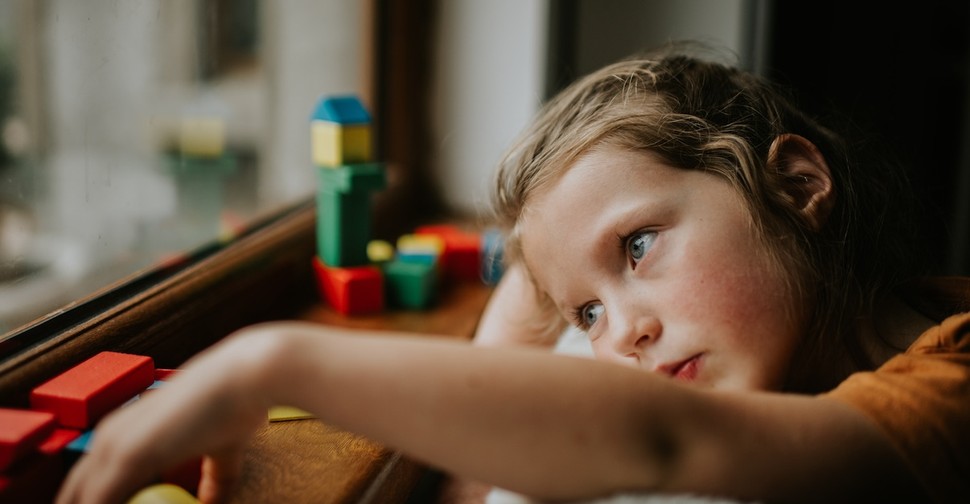
According to an Elmer's survey, 81% of parents report that their kids complain they are bored. That increases with age. Even 70% of high schoolers report feeling bored in school.
However, boredom is healthy and needed for many reasons. If your child is hungry or anxious, offer food or comfort; otherwise, respond, "That's good because it means you have time to let your brain take a break, or make choices and come up with new ideas, solve a problem that's on your mind, or simply relax."
Boredom is often the beginning of adventures. Encourage children to embrace the gift of free time to explore, think, relax, and dream. Check out the reasons boredom is a valuable gift.
1. Healthier brains.
The brain is always at work, even when a person sleeps. It listens, senses, communicates with other cells, and deals with stressors. Brain scientists discovered that when you stop doing activities, the brain can rest from some work, and the social connections in the brain gear up to inspire creativity and new ideas. Like a phone that needs recharging, boredom allows the brain to recharge. Creativity has decreased for 30 years as parents fill kids' days with activities, leaving little time for them to make their own choices. Challenge their boredom to use something they have in a new way or create a new game.
2. Develops organization.
Boredom activates a default mode that allows for subconscious planning and problem-solving. A bored child is not thinking of what has to be done or any task so the brain is free to organize thoughts and ideas. When there's nothing to do, it's a good time to plan. Look at the calendar. If there's something coming up or a report due, encourage kids to think about people involved, clothes needed, and what steps they can take ahead of time. Let them dream of the fun they will have or the goals they will accomplish. Suggest a list of activities they can do and what to explore during any free time.
3. Allows children to analyze and develop reasoning.
Ennui provides time to reflect on problems and come up with solutions. With no structured schedule, a child must create their own plans, which helps them develop organizational strategies to manage time. This ultimately develops analytical thinking. Children can reflect on the struggles they face or what makes them feel negative, then generate ideas to counter those feelings or solve a specific problem. Post the list. Encourage children to question themselves. What do they like, dislike, or want to change? What can they change? What makes them curious? How can they satisfy their curious questions? Such questions stimulate thinking and exploring for answers.
4. Boredom is an opening to pray and talk with God.
Mention that when you are bored, it's a reminder to pray for someone. A child may want to have a list of what and who to pray for that they can add to at any time. This lets them use the time to talk with God and remember that He always listens. This develops a more natural relationship with God and helps kids grow spiritually. It's also a good time for a child to read a Bible story and wonder why it's in the Bible, inspiring them to investigate how God works.
5. Unfilled time lets children relax and soak in the wonder of creation.
A child can admire the wonders of the world God made, appreciating all that He did. There's time to climb a tree, study veins in leaves, and laugh at little creatures climbing and jumping. It’s a perfect time to sit outside and listen to nature, watch creatures to see what occupies their time, look up to see what images the cloud make, or notice changes in trees and plants. It's time to find a treasure outdoors to keep and look up facts about the objects you find. They might discover a whole world within a rock or a feather, bringing greater appreciation for God's creativity.
6. A bored child has energy to use—it's a great time to exercise, run, or take a walk.
Instead of waiting to be entertained, they can move. It's like the brain is saying, "Let's explore instead of sitting still." This develops muscles and gets the heart working. They can make up new dances and exercises. Encourage a child to use each part of his or her body and explore how it can move and what else they can do with their muscles.
7. It gives time to dream.
The poem that starts "The time has come, the walrus said to talk of many things..." by Nellie Edge is a reminder that in the absence of activity, there's time to dream and think about many things. Dreams are often the foundation of the future, giving a child insight into their desires and hopes. A child can see what the future could become depending on the choices they make. This can bring a sense of purpose. It lets them explore how to act in the future and gives them hope that they can choose how to live and what to become. If there's more time, they can explore how to achieve such dreams and what to study to be prepared to live them.
8. The moments of nothing to do are really opportunities for self-direction.
Boredom builds independence as they consider what they want to learn and choose their own activities. They can choose how to fill minutes or maybe hours, and thus be in charge of their actions. That's a good time to think through a day and recall what they have mastered and what skills they need to learn. Then they can list the books or supplies they want and look through the books on the shelves to find what to study. Applaud a child who fills free time in a constructive or hopeful way.
9. More flexibility.
Boredom increases flexibility as they encounter unscheduled time where they can make their own choices. It gives them a mental reset and triggers cognitive processes. When bored, the mind enters a state of rest that engages the DMN (default mode network), which includes memory, creativity, and looking inward. This also helps children cope with the frustration of not knowing what to do as they exercise their imagination and learn to assess what can be done with what's on hand. They can let their eyes wander and notice if there's anything new or changed around them. They gain confidence as they overcome their boredom by using their imagination.
10. Anxiety may increase in children who feel bored.
This happens if the child's mind dwells on negative thoughts or fears. If so, encourage the child to find new ways to be calm and relaxed. It's an opportunity to replace anxious thoughts with memories of success and words that encourage them. They can list positive thoughts, favorite Scriptures, and praises received to review when anxious. Boredom shows a child that he or she can survive the discomfort of having nothing to do and overcome it with their minds and choices. That reduces anxiety and develops resilience.
11. Boredom is a redirection.
Boredom is a pause after activity and a time to look around and choose a new direction. It helps them move from an activity to thinking internally. Instead of being entertained, they learn to manage what to do. It helps a child stretch their mind and be adaptable. Instead of relying on someone telling them what to do, they learn to pivot from having their time controlled to discovering their own abilities and generating ideas. This starts to develop leadership skills.
12. Improved executive functioning.
Boredom improves executive functioning, a skill that's hard for children on the autism spectrum to master. Boredom engages the executive system of shifting thoughts and inhibits the urge to demand entertainment. It fosters flexible thinking to engage the mind and focus, and helps develop strategies for filling time and making adjustments when ideas don't work out.
Telling children what to do every minute and over-scheduling are roadblocks to letting young ones develop their imagination. Be the parent who inspires children to engage their creativity when they have free time.
-Secretly add something new on a shelf or in a toy box to be found when hunting for something to do.
-Snap photos of what they engage in when they move on from boredom on their own. The pictures can be reminders that boredom is a launch pad for creativity.
-Have a place to create and be messy that includes supplies for art, experiments, and building.
-Reframe boredom as an opportunity to make their own choices and use time for what they really want to do.
-Keep the kitchen cabinet supplies with food that requires assembly or cooking. Items to combine for a trail mix, dip, or sandwich fixings.
-When in the car, ask what they want to do with their free time.
Related:
7 Ways to Combat "I'm Bored" From Kids
How Can We Stop Our Kids from Saying, "I'm Bored"?
Photo credit: ©GettyImages/Catherine Falls Commercial
Karen Whiting is a mom, author, international speaker, writing coach, and former television host who loves sharing ideas to strengthen families. She has written Growing a Mother’s Heart: Devotions of Faith, Hope, and Love from Mothers Past, Present, and Future, 52 Weekly Devotions for Family Prayer, which includes a different way to pray each week plus stories and activities to explore questions children ask about prayer, and Stories of Faith and Courage from the Home Front, written with Jocelyn Green. Her book, Growing a Joyful Heart co-authored with Pam Farrel, shares stories that show how to have inner joy, more joy in relationships, choose joy in all circumstances, and become a joy-giver. Her upcoming books are about wisdom and will be geared toward tweens. She loves adventures including camel riding, scuba diving, treetop courses, and white water rafting plus time at home crafting and baking.
Originally published March 12, 2026.