What Is "Nacho Parenting" in Blended Families?


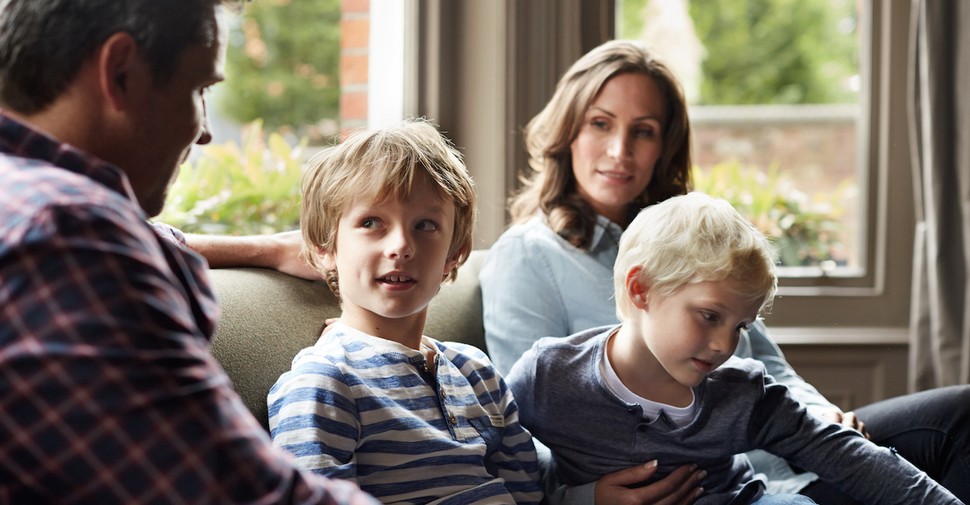
Because I’ve worked in stepfamily ministry for many years, I’m often asked about the term “Nacho Kids” or “Nacho Parenting.”
This phrase, created, owned, and trademarked in 2013 by David and Lori Sims, came after they attended a marriage counseling session. They were struggling to blend her son and his 4 children into one household.
“We explained to our counselor how the most challenging part of our blending was how to deal, or not deal, with each other’s kids,” Lori shared. “The counselor looked at me and said, ‘Lori, David’s kids are not your kids.”
Initially, we perceived his response as negative. However, after thinking about it, we came to realize it made perfect sense! As a stepmom, I was creating my own misery. I was trying to parent David’s kids in the way I felt they should be parented. So, I quickly took his advice and changed my mindset. Everything changed for the better. That’s how Nacho Kids was born.”
Because the phrase is often misunderstood as being destructive, here’s a definition directly from the founders.
Nacho Kid
noun \ ˈnä-chō kid \
1. A child in a blended family where the stepparent maintains a supportive, caring relationship but does not assume the primary parenting role. This allows the biological parents to handle discipline, rules, and major parenting decisions.
2. A concept within the Nacho Kids® method emphasizing healthy boundaries in stepfamilies by recognizing that a stepparent can care about a child, without carrying the responsibility of parenting them.
The method is designed to teach the biological parent and the stepparent how to:
-Learn their role
-Understand what’s normal in a blended family
-Let each parent be the parent
-Set a wise, healthy boundary with a spouse
-Step away from things they can’t control
-Let go of the need to be right
-Bring unity into the home
As a stepfamily coach, I use a different phrase. I call it “Stepping back without stepping out.” However, it means the same thing as Nacho Parenting.
Clearing up the Confusion
- Occasionally, when a stepfamily hears the phrase "nacho parenting," they become defensive. They assume it’s giving the stepparent permission or encouragement to dislike, dismiss, or ostracize their stepchild. Nothing could be further from the truth.
- Stepfamilies are complex. After a death, divorce, or uncoupling, there is pain and grief involved. Afterwards, the new couple dreams of how a stepfamily should operate. That vision, although well-intentioned, creates a narrative where the blending becomes an “instafamily." Our desire is for everyone in the home to view each other through the same family lens.
- Combining two homes into one takes time. Because the adults have a new love that is fresh and wonderful, they desire to recreate what was lost. They have a wholesome outlook on marriage and family. But once all the kids are under one roof, things can change—quickly.
- One of the biggest reasons stepfamilies fail is because the couple moved too quickly and/or the parent never became an emotionally stable single parent before getting remarried. The parent didn’t learn how to overcome the guilt, shame, fear, or exhaustion that comes with being a single parent. They place the stepparent into the parenting role they dodged to avoid being the “bad cop.” The kids, young or old, are forced to view and embrace the new stepfamily as biological family. Whenever you hear a parent say, “There are no steps in this house, we are all one family,” it’s an indication that the kids haven't been given the time and space needed to bond with the stepfamily.
- When a biological parent steps back and allows the stepparent to become the main disciplinarian, it usually backfires. The stepparent cannot—and should not—parent more than the biological parent. THIS is where the Nacho Kids method is brilliant. The method teaches the stepparent how to hand the reins of discipline back to the parent where they belong. Rules without relationship cause rebellion.
- A question I’m often asked is, ‘What if the parent refuses to parent’? This is a marriage problem, not a stepfamily problem. Pre-marriage counseling should have addressed this issue before anything else. Unfortunately, very few couples receive this information. If the marriage is going to survive, the couple must get help from professionals who specialize in stepfamilies.
- “Love them as your own” has become a common stepfamily mantra. The motive behind it is right; the method is incorrect. God gave parents a connection to their child, which is unlike any other love. He did that intentionally so we would have a glimpse of how much he loves us. No matter what we do, God won’t stop loving us. That’s typically how a parent or grandparent loves their own child— unconditionally. It’s indescribable. To tell a man or woman that they should have the same attachment and fascination with a child their spouse had with ANOTHER person is heartless and unrealistic. It sets them up for shame and failure. Blended family love forms over time. It’s not instantaneous. Most stepparents who have biological children will say, “I passionately love my stepkids. However, it is a different kind of love than I have for my biological children.” Why do we discredit or humiliate a stepparent because they experience a totally natural response? Isn’t a chosen love for a child that isn’t their own a greater sacrifice and devotion? Shouldn’t a stepparent be applauded instead of vilified because the tenderness occurred over time?
When it Goes Wrong
I am not naïve. I’ve worked in divorce recovery and stepfamily ministry for over 30 years. Plus, I’ve seen all the Disney movies. I meet stepparents who don’t love—or even like—their stepkids. Either they were naïve and/or underestimated the effort it would take to create a healthy blended family. Or they didn’t care.
Regardless, it’s the kids and grandkids who suffer.
Some went into the relationship knowing they had no desire to bond with or form a friendship with their partner’s kids. The kids were expendable. This is completely different than the stepparent who “didn’t know what they didn’t know.” This is an egocentric person who merely wanted a spouse and didn’t care if the kids were casualties. While dating, they pretend to enjoy the kids, but when the “I do” was spoken, their true colors shone brightly.
Those are the stepparents who pervert the term Nacho Kids. They use it as a weapon to humiliate, criticize, dismiss, or ostracize an innocent stepchild. For this stepparent, it’s a conquest or a competition. They force their spouse to choose, saying, “It’s your child or me.”
This is not the nacho parenting method, nor is it encouraged by the founders.
Between a Rock and a Hard Place
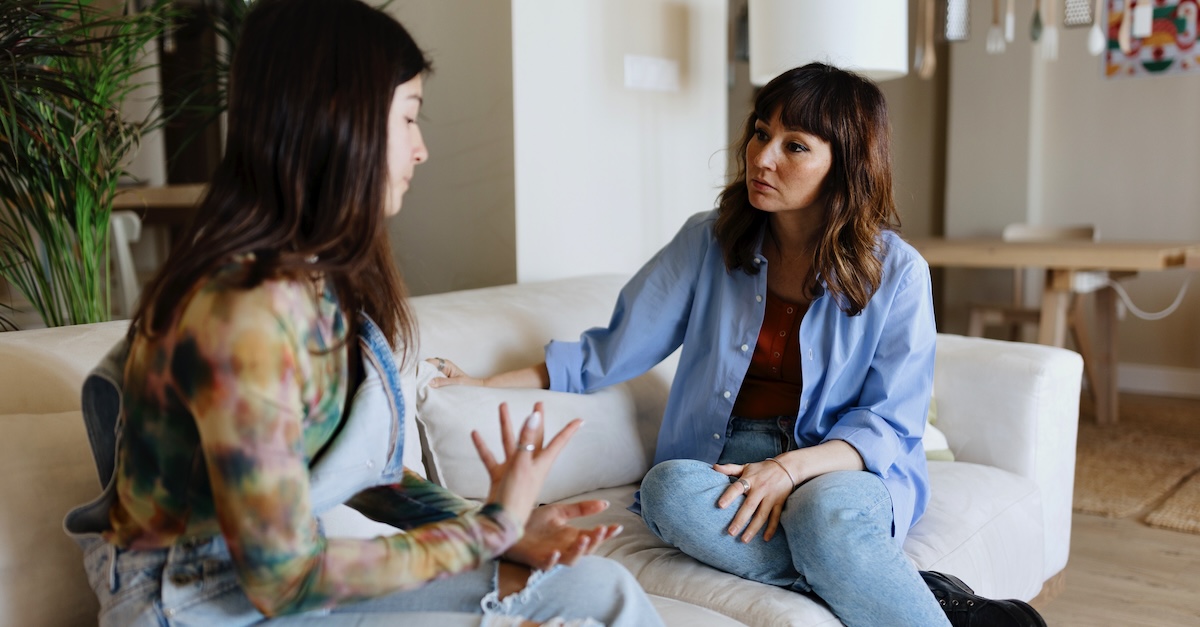
Sometimes a stepchild will inflict atrocious behavior on a stepparent. Examples are: making false accusations to the police (which could cost the stepparent their job), harming the other kids in the home, threatening to set the house on fire, stealing from the stepparent or stepsiblings, or bringing illegal items into the home. Those behaviors are unacceptable. The stepparent needs to explain to their spouse how they will disengage until the situation is rectified. Depending on the severity, the stepparent may need to temporarily leave the home. This is particularly true if the spouse refuses to implement a consequence for his/her child, or the parent in the other home prevents a beneficial outcome.
Even in these drastic circumstances, nothing in the Nacho Kids method encourages or validates an abusive or malicious response from the stepparent.
Whether the situation is extremely complex or a normal stepfamily dispute, the method is designed to teach the biological parent and the stepparent how to find wise solutions.
It’s not easy. It’s not usually quick. But it is effective and can build a beautiful bridge of unity.
Nacho Kids is not a faith-based program. However, its founders are Christians.
Related:
5 Principles for Stepfamilies When the Other Home Doesn’t Follow Jesus
4 Steps to Take When Your Stepkids Step Away
10 Ways the Church Can Support Stepparents
Photo credit: ©GettyImages/kupicoo
Laura Petherbridge is an international speaker, author, and life coach. She is the author of: When I Do Becomes I Don’t Practical Steps for Healing During Separation and Divorce, The Smart Stepmom (co-authored with Ron Deal), 101 Tips for The Smart Stepmom, Quiet Moments for the Stepmom Soul, Seeking a Silent Night: Unwrapping a Stepfamily Christmas, and Stepfamilies of the Bible: Timeless Wisdom for Blended Families. Her appearances include: The Billy Graham Training Center, Lifeway, Focus on the Family, Family Life, MomLife Today, MOPS, Christianity Today, iBelieve, Crosswalk and Celebrate Kids to name a few. She can be reached at www.TheSmartStepmom.com. March 2026, Laura is speaking at the Legacy Grandparenting Summit. Learn more at LegacyCoalition.com.
Originally published March 13, 2026.