What an Adoptee’s Search for Her Story Reveals about Identity, Forgiveness, and Being Known



Key Points
- Pearl Marshall’s search for her birth story reflects the deep human desire to know where we came from and who we are.
- Psalm 139 reminds us that before anyone else knew our story, God saw us, formed us, and knew us fully.
- Painful beginnings, abandonment, adoption, and unanswered questions may shape a story, but they do not have to define a person’s identity.
- Spiritual adoption in Christ reminds believers that they are welcomed, wanted, chosen, seen, and loved by God.
- Forgiveness does not erase the past, but it can release bitterness and make room for healing, compassion, and hope.
What an Adoptee’s Search for Her Story Reveals about Identity, Forgiveness, and Being Known
After being found as a newborn in a paper bag in 1972, Pearl Marshall spent decades not knowing the full story of where she came from. After more than fifty years, her search eventually led her to answers about her birth parents, an emotional reunion, and a moment of forgiveness.
As heartbreaking as Marshall’s story is, it reflects something deeply personal and tragic in all of us: a desire to know who we are, where we came from, and what we’re called to become. Regardless of parents, location, or vocation, many of us have unanswered questions about our families, our identity, and our past. When these questions go unresolved for too long, we’re left with deep wounds that we wonder if will ever heal.
While we believe that knowing our history and reliving the past may help us understand who we are, what if that’s only half the story? What do we do when parts of our stories are painful, complicated, or impossible to fully uncover? Then where do we find our identity? To whom do we run?
Marshall’s story may show the incredible power of grit, perseverance, and forgiveness, but it also displays the deep human longing to know our origins, make peace with painful beginnings, and understand our identity. As Christians, we’re already fully known and loved by God, but sometimes we need that reminder.
Why Do We Long to Know Where We Come From?
In Psalm 139:13-16, we read the famous words of every single individual's birth into the world:
“For you created my inmost being; you knit me together in my mother’s womb. I praise you because I am fearfully and wonderfully made; your works are wonderful, I know that full well. My frame was not hidden from you when I was made in the secret place, when I was woven together in the depths of the earth. Your eyes saw my unformed body; all the days ordained for me were written in your book before one of them came to be” (NIV).
Because before anyone knew Marshall’s story, God did. That didn’t mean that He intended for her to experience such hardship at a young age, but rather, before her birth certificate came to life or anyone knew the breadth of her story, God saw her. How? Contrary to culture, our worth isn’t determined by the wealth we’re born into, who chose us, who left us, what happened to us, or even what we know about our histories. No, our identity is rooted in Christ alone. And that identity begins with the truth that we’re created and known together by God, who knit us in our mother’s womb before time began.
Many of us have had complicated stories of upbringing and becoming. From adoptions to family histories, or those who were abandoned or forgotten. But for anyone carrying questions about belonging, this should bring immense comfort. God calls you His child regardless of how you were born. You’re known and loved by Him, and that love and knowingness can never be taken away from us.
Why Painful Beginnings Do Not Define Your Identity
While it would be easy to let such a traumatic story define her future, Marshall chose to forge her own path. In Isaiah 43:1, scripture says it this way:
“But now, this is what the Lord says—he who created you, Jacob, he who formed you, Israel: “Do not fear, for I have redeemed you; I have summoned you by name; you are mine” (NIV).
What I love about this passage is that if you keep reading, you see that human beings will face hard times. And yet, God is with us, and because we assume His identity, we’re protected by His eternal and everlasting care. That doesn’t mean we won’t ever face hardships, but it does mean that He’s with us and will see us through them.
Marshall’s story illustrates this point, as its beginning was marked by incredible uncertainty. Being abandoned as an infant most likely tried to define her story. Who she would become, what she would be known for, or even how others saw her. And yet, a painful beginning doesn’t equate to a hopeless ending.
We all carry difficult chapters: rejection, abandonment, broken relationships, family wounds, loss, unanswered questions, grief, loss, you name it. When we’re feeling especially low, the enemy of our souls tells us this is who we are. We are difficult. We are rejected. We are abandoned and worthless. But grace says another word. A better word. A truer word.
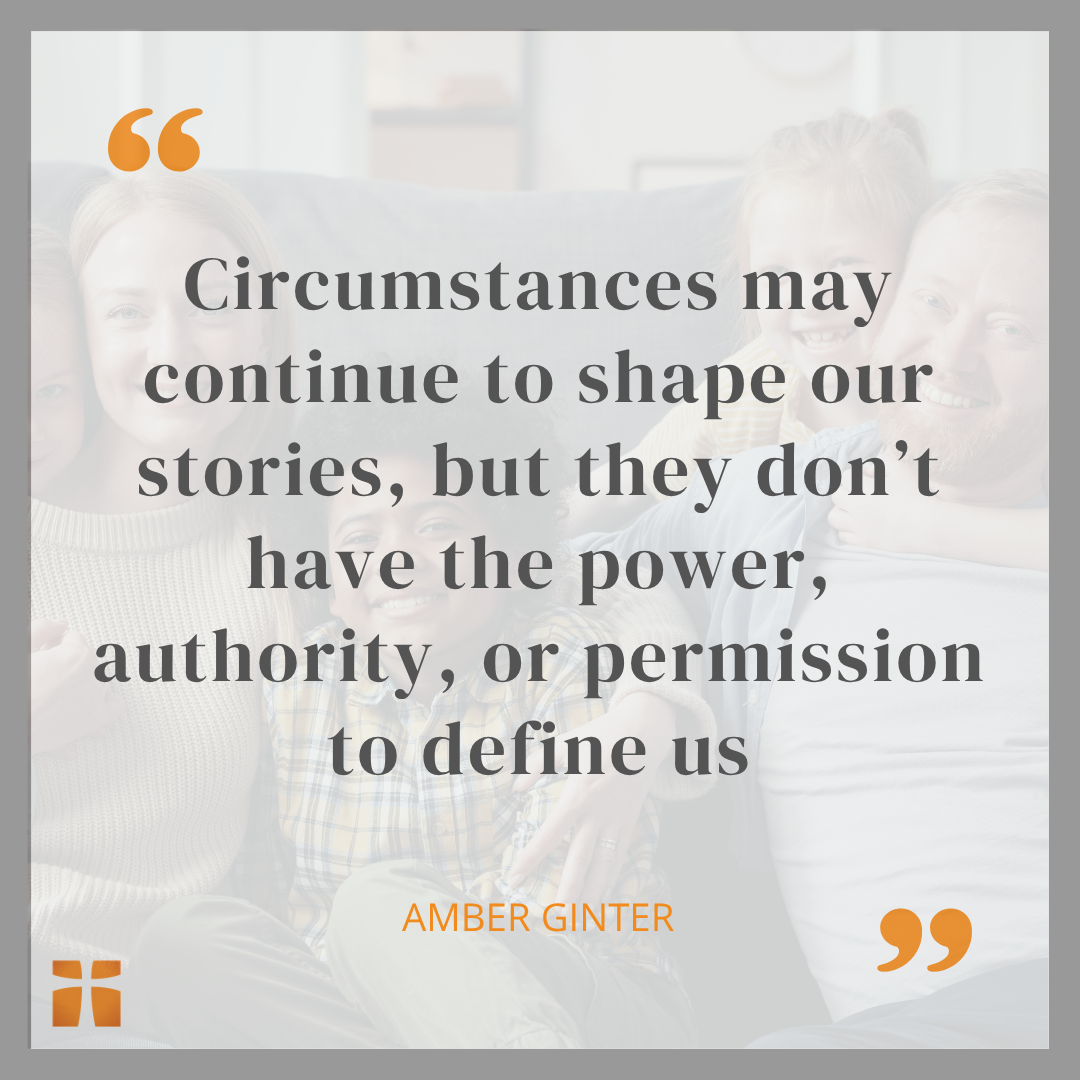
God says, “You are mine.” Period. Circumstances may continue to shape our stories, but they don’t have the power, authority, or permission to define us.
How Does Adoption Point to Being Seen and Chosen by God?
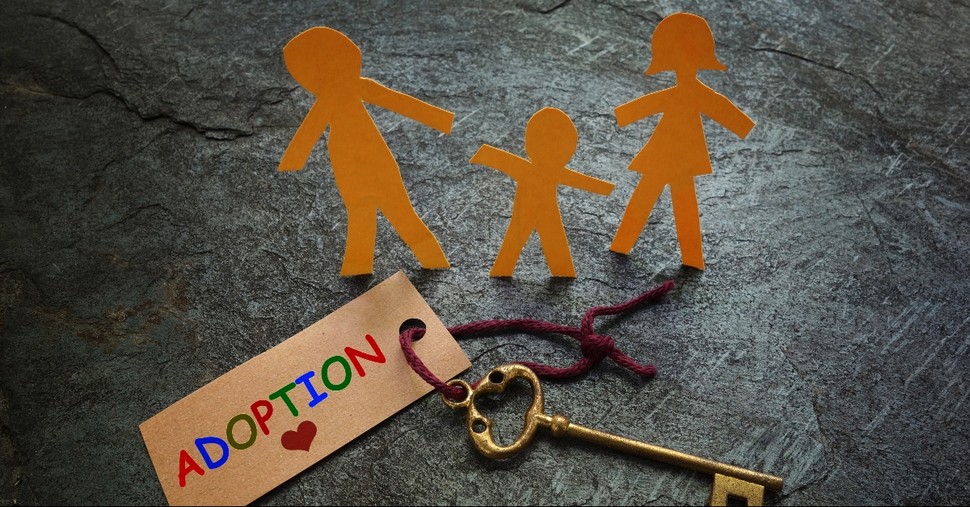
In Marshall’s story, adoption brought a great sense of identity, protection, and being chosen and seen. In each of our stories, we may not have been adopted, chosen, or seen here on earth, but Christ has grafted each of us into His family by unique design.
“He predestined us for adoption to sonship through Jesus Christ…” (Ephesians 1:5, NIV).
When we believe in Jesus, call on His Name, ask for forgiveness of our sins, and invite Him into our hearts, we are saved. That salvation is a powerful picture of God’s relationship with us as our Heavenly Father. He died for those who will accept Him and those who won’t. And what love is that beyond what we can fathom?
On this side of Heaven, earthly adoption stories can bring much beauty and grief. They are complex and days filled with joy, tears, and confusion. Adoptions never erase loss, no matter how much of a blessing they are. It can’t erase biology, but it can make room to hold love and longing simultaneously.
And yet, God’s adoption of us reminds us that we’re forever welcomed, wanted, known, chosen, seen, and loved. His adoption of us cost something. It was a sacrifice. There was grief, love, questions, and healing. But then again, the best stories are.
What Does Forgiveness Offer When the Past Still Hurts?
Near the end of Marshall’s story, she told People magazine, “What she did for me was a good thing,” Pearl says. “She knew she couldn’t keep me, as much as she wanted to.” That perspective not only took forgiveness but also growth, love, and obedience. Colossians 3:13 says it this way:
“Forgive as the Lord forgave you” (NIV).
Forgiveness doesn’t mean that what the other person did was right or even that you wholeheartedly agree with them. It’s not ignoring the hurt, denying justice, or saying what happened didn’t matter. Biblical forgiveness is releasing the burden of carrying bitterness in your heart and allowing God to work healing in a way only He can.
No matter our origin stories, each of us carries things said (or left unsaid), unanswered questions, or complicated feelings of grief and unease. But what would it look like to surrender these wounds to God? To trust Him in the unknown and lack of answers? Here are just a few practical steps to get you started:
Remember where your identity is rooted — your identity isn’t found in your circumstances, but in Jesus Christ alone. Write down some identities you have allowed to define you. Then, read the scriptures listed in this devotional and use them to replace the labels with God’s truth.
Make Room — make room to process complicated, difficult, or unsettling emotions. True healing doesn’t come from ignoring or bypassing how we feel, but from making time and space to explore them. Sit with your feelings. Be honest with God. Remember, two things can be true at once. You can hold grief and gratitude, love and questions, forgiveness, and hurt.
Seek healing — this will look different for everyone, but it’s important that you seek healing from the painful parts of your story. This could be praying, confiding in trusted family and friends, or even going to counseling. God will guide your healing as long as you’re honest in your conversations with Him.
Extend Hope and Compassion — you’re not the only one carrying a complicated story. Before responding to anyone, remember that everyone carries unseen chapters. Lead your conversations with love, grace, truth, and the mercy and compassion of Christ.
Where Do We Find Belonging When Our Story Feels Complicated?
At the end of the day, human beings just want to be known, seen, and loved. Marshall’s story is just one illustration of this. We want to know where we came from, how we got here, and why things turned out the way they did. We’re inquisitive creatures and long for our stories to make sense.
The reality is, even when we don’t understand or grapple to make sense of our stories, we were known before our stories were written. Before anyone named us, God did. Before anyone tried to understand, God saw. And even the most complicated stories can be held and redeemed in His hands. Thank you, Jesus!
A Prayer for Those Longing to Belong
Dear Jesus,
Today we pray for those struggling to feel a sense of belonging. We ask that they find their true identity in you and rest assured that they are loved, seen, and chosen. Whether we’re wrestling with stories of adoption, abandonment, or carrying wounds of the past, let us know you see us and care for us here. We love, praise, and thank you, Jesus. Amen.
Agape, Amber
Frequently Asked Questions about Adoption, Identity, and Being Known by God
- Why do adoption stories often raise questions about identity?
Adoption stories can raise questions about family history, belonging, origins, loss, and what parts of the past help shape a person’s sense of self. - What does Psalm 139 teach about being known by God?
Psalm 139 teaches that God sees, forms, and knows each person before birth, reminding us that our worth begins with Him rather than with our circumstances. - Do painful beginnings define a person’s identity?
No. Painful beginnings can shape a person’s story, but they do not have the final authority to define someone God has created, known, loved, and called His own. - How does spiritual adoption help Christians understand belonging?
Spiritual adoption reminds believers that through Christ they are welcomed into God’s family, loved by the Father, and given an identity that cannot be taken away. - Does forgiveness erase the past?
No. Biblical forgiveness does not deny pain or erase what happened, but it releases bitterness to God and makes room for healing, truth, and mercy.
For Further Reading
- What Does It Mean to Be Fearfully and Wonderfully Made?
- How to Find Your True Identity in Christ
- What Does It Mean That We Have Been Created in the Image of God?
- 5 Responses to Our Spiritual Adoption
- Colossians 3:13 - Forgive as the Lord Forgave You
Photo Credit: ©iStock/Getty Images Plus/zimmytws

Originally published August 28, 2026.