Faith Groups Push for Accountability as AI Data Centers Expand Across U.S. Communities


Over the last year, debates regarding AI, increasing technology use, and privacy have intensified. For places in Indiana, New Jersey and Texas, however, the concerns are hitting closer to home.
In St. Joseph County, Indiana, a local faith-based group called “We Make Indiana” requested a fair-share agreement among data center operators, elected officials and the public after concerns were raised about data centers moving into the area.
Wayne Peterson-Stephan, pastor at Zion Community Church, explained the concerns this way:
"We want to make sure that our land, our water, our electrical plants, those things are being taken care of, they're sustainable, and that it's not going to impact, you know, we have farmers and then, of course, just more local population. The other thing is, we want to make sure that they're investing into us as a community.”
“We Make Indiana” furthers the idea that the concerns stem from the TIF District. According to WSBT, "the TIF fund basically collects all the incremental revenues that come from a new development and allows the county to use those in specific ways related to either public infrastructure around their roads, bridges, sidewalks, debt service, public safety, job training," said Diana Hess, (D) St. Joseph County Council.
WNDU reports that the St. Joseph County Council is set to discuss a resolution at 6 p.m. Tuesday night (Sept. 29, 2026) on a possible data center ban. While the resolution isn’t currently a law, it could lead to a future ordinance.
In Texas, Houston Black churches are weighing AI data center costs amid the National Black Church Initiative (NBCI)'s entry into the growing debate. Currently representing 150,000 African American and Latino faith communities, Rev. Anthony Evans, NBCI president, believes “The church must play a constructive role of balancing the need for our members to work and pay their bills and, at the same time, promote technology that is going to enhance the quality of life for all of us.”
Another reverend, Dr. Timothy Sloan, mentioned that while he isn't necessarily against data centers, he believes that the costs of those proposed structures should not be placed on just one demographic or segment of the population.
“I’m not opposed to data centers being located in Black communities,” he said. “But I am opposed to Black communities having to bear the burden of economic development without sharing in its benefits.”
He added that he understands technology is growing and is, without a doubt, part of the future of society, its expansion "shouldn’t happen at our expense.”
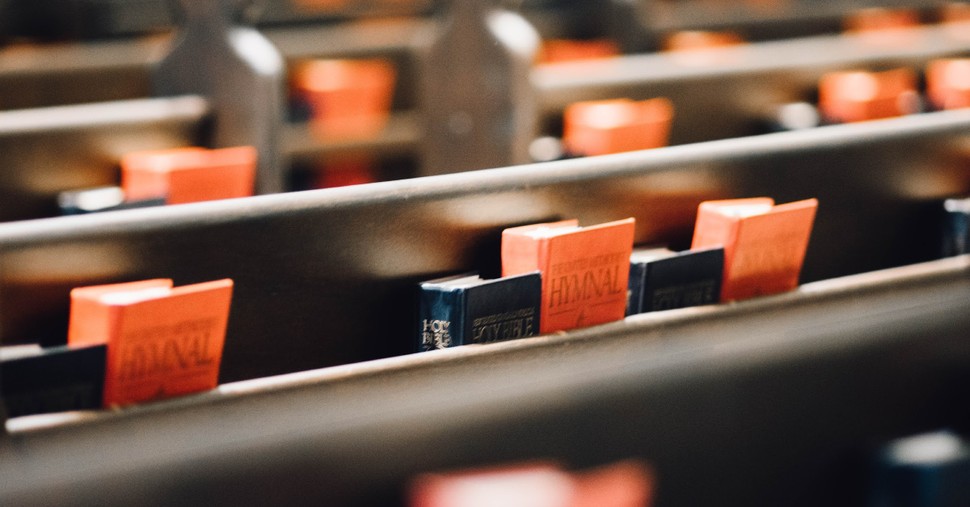
Photo Credit: ©Chuttersnap/Unsplash

Originally published October 02, 2026.