More States Ban Smartphones in Local Schools


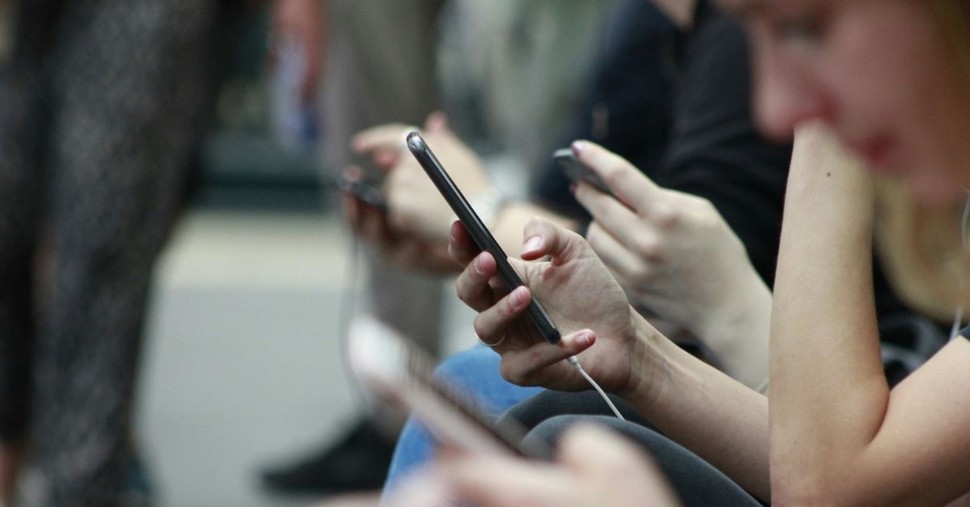
As a former high school English teacher, I saw it all the time: The impact smartphones and technology had on students’ learning. We started the day with Chromebooks, but I saw it in their eyes by the time they plugged in that slowly dying device; they were dying, too. With glazed eyes and the inability to focus, I knew something needed to change.
While cell phones have been a typical part of growing up, today’s teens and young adults don’t know what it’s like to live without them. Nor do they know how to write cursive with a pen and paper or take a test that’s not online. And that’s a problem.
According to the Education Week tracker, 32 states have now restricted or banned the use of cell phones during at least part of the school day. With stricter policies being enforced, 70% of teachers favor banning phones all day, as recorded by the 2020-2024 American Association of Educators survey.
What started as a post-COVID issue, relying exclusively on technology to continue learning online, has now escalated to U.S. courts in Michigan, where CBN notes a “bipartisan bill passed overwhelmingly in the state House and is currently under consideration in the state Senate” to permanently ban Smartphones in schools. This momentum has now also spread to Washington, where lawmakers are examining the impact of screens and technological devices on students' learning.
During the Washington hearing, Jared Horvath, a former teacher and cognitive neuroscientist, warned that technology in classrooms undermines learning, and lawmakers need to be aware: "When tech enters education, learning goes down," Horvath testified. "It doesn't matter if it's a phone, if it's a laptop, if it's a desktop, and it doesn't matter who bought it," Horvath said. "Is it school-sanctioned? Does it have the word 'education' stamped on it? It doesn't matter. All of these things are also going to hurt learning, which in turn hurts kids' cognitive development."
Technology is an incredible gift that’s brought much enhancement to modern-day education, but it often comes at a cost. Emily Cherkin, faculty at the University of Washington, also testified that while technology may appear to “make our lives easier and prepare our children for the future,” it doesn’t. "Occupational therapists tell me they have to teach young children how to turn the pages of a book," Cherkin said. "Preschool teachers report that toddlers don't like getting their hands dirty anymore. I know one teen so addicted to his phone he seals it into a Ziploc bag and brings it into the shower with him."
As debates on how these bans are going to be enforced in local schools, BBC reminds parents that even these bans won’t be enough to cut screen time alone. It’s a good start, but we must adopt a community-first approach to see lasting change in our students.
Related Article
Christian Schools with Strict Cell Phone Policies Report Better Student Mental Health: Study
Photo Credit: ©Unsplash/ ROBIN WORRALL

Originally published March 24, 2026.