7 Food Facts That Point to God’s Amazing Design


The heavens declare the glory of God; the skies proclaim the work of his hands.” - Psalm 19:1 (NIV)
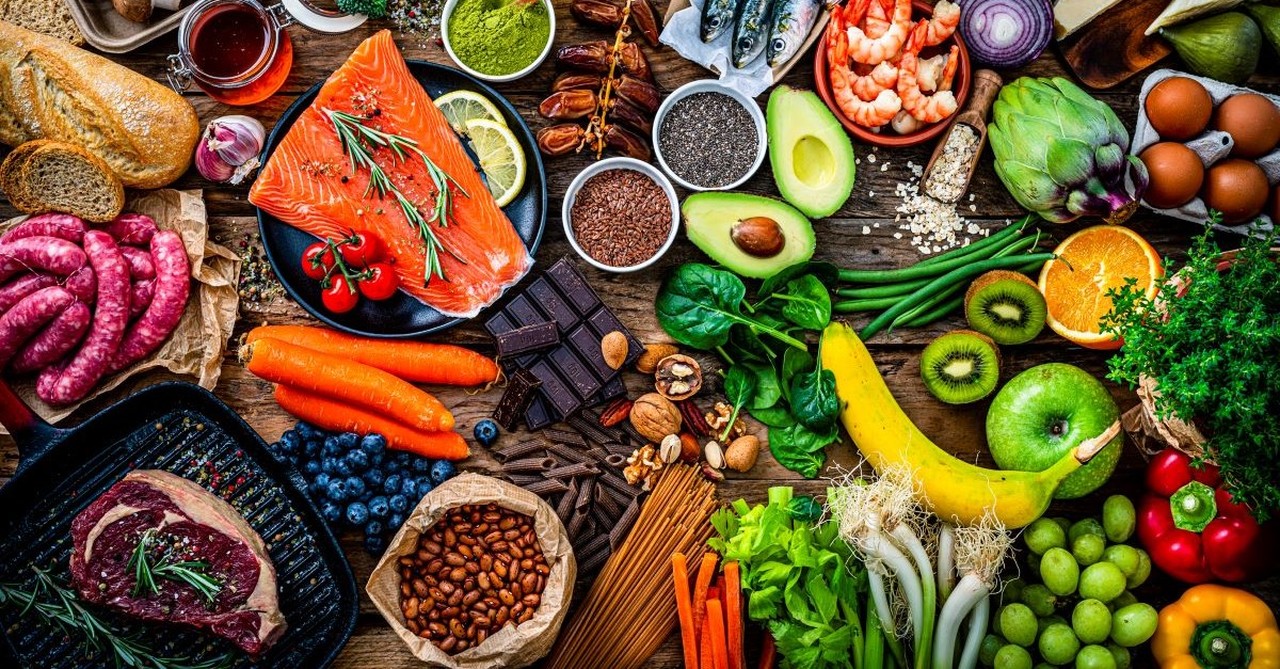
This verse has always spoken to me. When I look up at the sky, I feel certain that God is present. But I’ve come to realize that the same sense of awe waits for us when we look inward—at our own bodies and how we were made to interact with the world around us. The more I learn about food, the more I see God’s intentionality in how our bodies and food are meant to work together. It’s a partnership that prompts us to wonder.
As a dietitian for almost 20 years, I have found that this sense of wonder becomes eclipsed by our experience. All too often, nutrition rules, narratives, experiences, and all the food noise begin to overshadow the beauty in how God designed food. Food is rarely left to just be food. All of us carry stories and emotions around what we eat. Those emotions can look like comfort, fear, joy, and many others. Our upbringing, our culture, even our memories shape how we see what’s on our plate. If we peel back those layers and go back to the science of food, we can remember why food was created in the first place and return to a place of awe. God made food to sustain us first and foremost. We see this in 1 Kings 19, when an exhausted Elijah falls asleep under a broom bush, and an angel wakes him, not once but twice, telling him to get up and eat because the road ahead is too much for him. He needs food. We see it again in Acts 9. After the scales fall from Saul's eyes and he is baptized, he eats to regain his strength. It is clear God made food to fuel us. Just as rain is essential and also breathtakingly beautiful, God made food to be essential and breathtakingly awesome! To help you return to a posture of gratitude and awe with food, let’s lean into some of the amazing ways God created food in the first place. Here are seven facts about food that point to God’s essential and amazing design.
Photo Credit: ©GettyImages/fcafotodigital
1. Broccoli
1. Broccoli
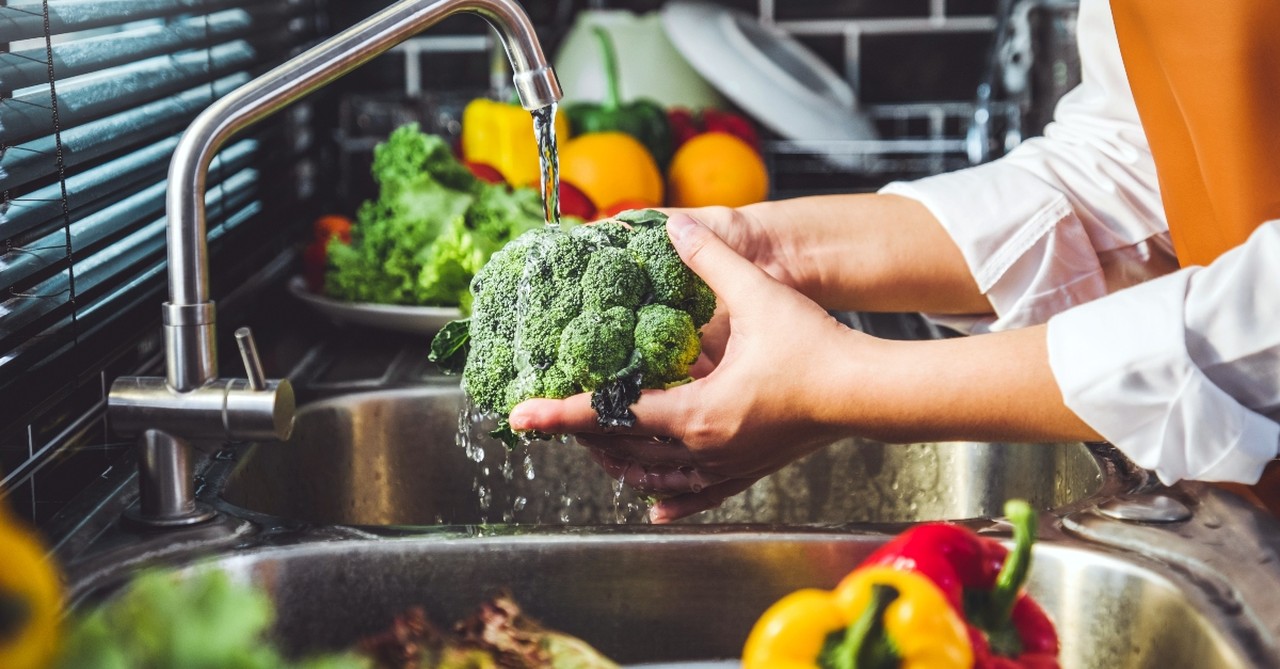
Let’s start with broccoli. I know—it’s not everyone’s favorite. In fact, most of my clients balk at the thought of eating more of this cruciferous creation. Maybe you still remember being told to “finish your greens” at dinner, and somewhere along the way, your inner kid decided broccoli was the enemy. (Or is that just me?!)
But broccoli is more than just greens. Broccoli keeps two important compounds completely separate until you bite into it. They’re stored in different parts of the plant, separated by tiny cell walls. Only when you chop, crush, or chew the broccoli do those compounds finally meet. And when they do, they react to form sulforaphane, one of the compounds that makes broccoli so fascinating from a nutrition standpoint.
Sulforaphane activates pathways in your body that support your antioxidant and cellular defense systems. In other words, broccoli isn’t simply bringing antioxidants to the table. It can help your body turn on some of its own protective machinery.
And even the way you prepare it matters. Chopping broccoli and letting it sit for a little while before cooking can encourage the chemistry that creates sulforaphane. Adding a little mustard seed to cooked broccoli can also help restore some of that sulforaphane-producing potential.
Some of broccoli's best chemistry only happens when we do our part and chew. You have to bite it, break it down, and disrupt those little cell walls for some of its most interesting chemistry to happen.
It’s a glimpse of something more important: that food is far more fascinating than we give it credit for. An ordinary floret on your plate carries an intricate system of compounds and chemistry that work together in ways we’re still learning to understand. And maybe, possibly, even the foods we’ve spent years resisting have a little more intention behind them than we realized.
Photo Credit: ©iStock/Getty Images Plus/SARINYAPINNGAM
2. Beets
2. Beets
The benefits of beets begin with a compound called nitrate. Nitrate itself isn't in a usable form and isn’t actually useful to your body. Nitrate needs a little help. When you eat nitrate-rich foods like beets and leafy greens, bacteria living naturally on your tongue begin converting nitrate into nitrite. Nitrite has one fewer oxygen atom than nitrate, and that small chemical change makes a big difference because the body can then convert nitrite into nitric oxide.
And nitric oxide is a big deal! It acts as a signaling molecule that helps relax and widen your blood vessels, allowing blood to flow more easily.
This intricate process starts with the bacteria in your mouth. Bacteria on your tongue kickstart this conversion. So the beets you eat unlock their usefulness thanks to the bacteria God intentionally placed in our mouths. The details woven into this design should leave us all a little more in awe of the intentionality of the God who created us.
Photo Credit: ©Getty Images/Tetiana Soares
3. Nutrient Combinations

3. Nutrient Combinations
Just like we thrive in community, some nutrients need each other to do their best work. Vitamins and minerals often work better together. For example, vitamin C markedly increases the absorption of plant (non-heme) iron. Taking an iron supplement with orange juice, or having beans (an iron source) with peppers (a vitamin C source), increases iron absorption by 2-3 times! Lycopene from tomatoes becomes more available when the tomatoes are cooked and eaten with fat. It’s like God knew we would use tomatoes as a base in stews and soups! And curcumin, the most studied compound in turmeric, is poorly absorbed on its own, but piperine in black pepper helps your body absorb far more of it. Our bodies are wired for connection at the microscopic level!
Photo Credit: ©GettyImages/Witthaya Prasongsin
4. Kale

4. Kale
Kale has a little secret hiding inside its leaves. Like other cruciferous vegetables, kale contains compounds called glucosinolates. Think of glucosinolates as plant compounds inside the vegetable just waiting to be activated to fight inflammation in your body. When you massage your kale, you break open those tiny plant cells and let the compounds interact. My favorite part about this whole process? When you do this, you not only unlock kale's nutritional benefits, but you also make it taste better!
When you massage a bowl of kale, you physically break down the plant, help unlock some of the chemistry hidden inside it, and soften the leaves for enhanced flavor. Your hands are literally helping prepare your food for your body and your taste buds!
And once again, an ordinary vegetable turns out to be far more detailed than it looks.
Photo Credit: ©GettyImages/alvarez
5. Onions
5. Onions
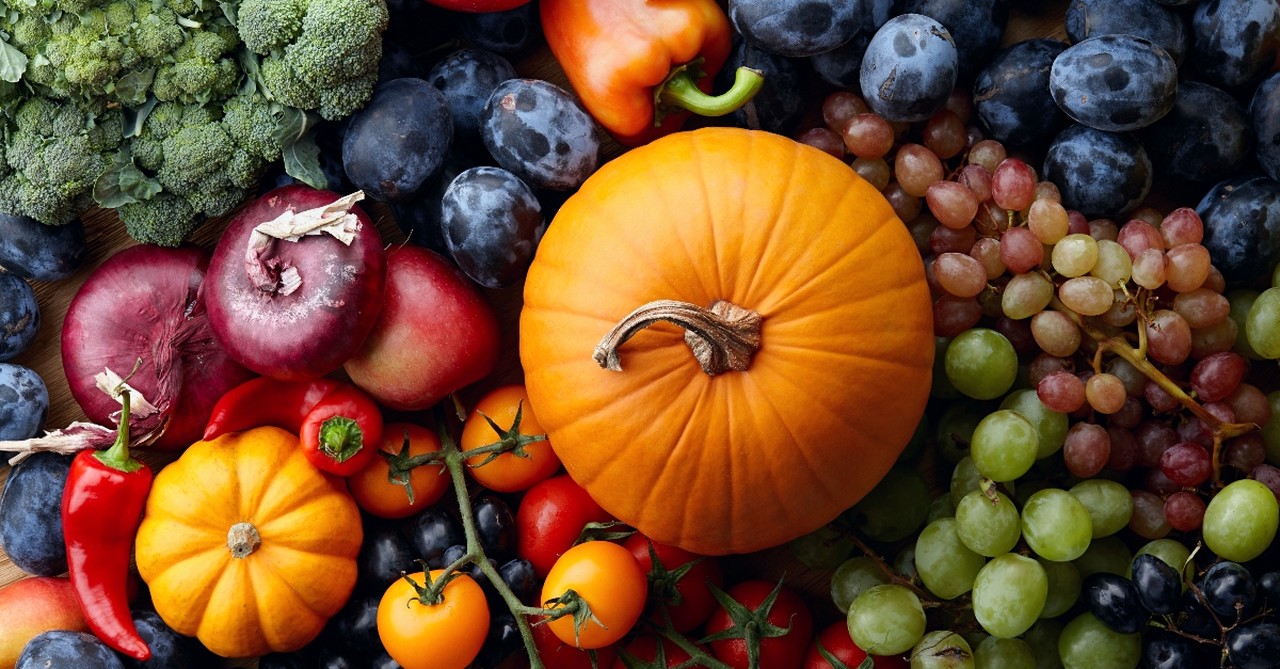
I cry every time I cut an onion. And while it is incredibly frustrating to stand over the cutting board with tears streaming down my face, I can’t really get mad at the onion because it is just defending itself.
An onion doesn’t have teeth, thorns, or claws to keep something from eating it, so instead it uses chemistry.
When you cut into an onion, you break open thousands of tiny plant cells. Those cells contain enzymes and sulfur-containing compounds that are normally kept separate. Once the cells are damaged, those compounds suddenly come into contact, and a chain of chemical reactions begins.
The result is a volatile compound that escapes into the air and eventually reaches your eyes, causing stinging and tear release. Your eyes recognize the irritant and respond by producing tears to wash it away.
But here is what is so cool about this: the very thing that makes an onion difficult to cut is also part of what makes it chemically interesting. Its sulfur-containing compounds drive much of the flavor, aroma, and pungency we love in onions, and researchers have studied some for potential biological benefits.
So the next time you’re standing at the counter crying into your dinner prep, maybe give the onion a little credit. The more we understand the details woven into our food, the harder it becomes not to marvel at the intentionality of the God who created it.
Photo Credit: ©iStock/Getty Images Plus/kobeza
6. Kiwi
6. Kiwi
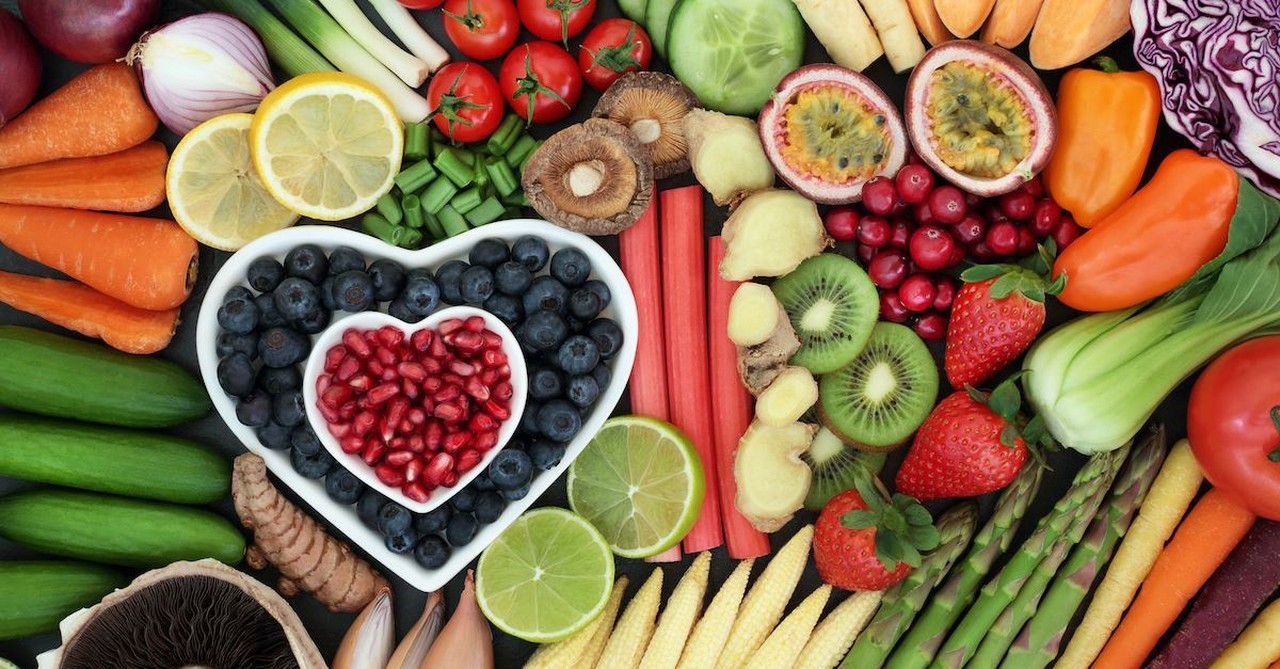
Have you ever used kiwi, pineapple, or papaya in a meat marinade? Recipes call for this for a reason. Fruits, especially Kiwis, come with their own built-in meat tenderizer. If you’ve ever added fresh kiwi to a marinade, you’ve seen a little miracle in action. Kiwi contains an enzyme called actinidin that breaks down proteins, making meat more tender. Even a simple fruit can change the texture of another food.
Something as simple as a piece of fruit can transform another food entirely. And isn’t that a microcosm of God’s design? He uses the most unforeseen to create big change. The more I learn, the more impossible it feels to see food as random. Enzymes, compounds, and microbes work together in ways we’re only starting to understand. It leaves me in awe. The invitation isn’t to fear food or control food. Maybe it’s to wonder at it and learn how God designed these foods to partner with each other and our body. Imagine how this kind of curiosity and gratitude could impact your attitude the next time you “have to cook dinner.”
Photo Credit: ©GettyImages/Marilyna
7. Potatoes
7. Potatoes
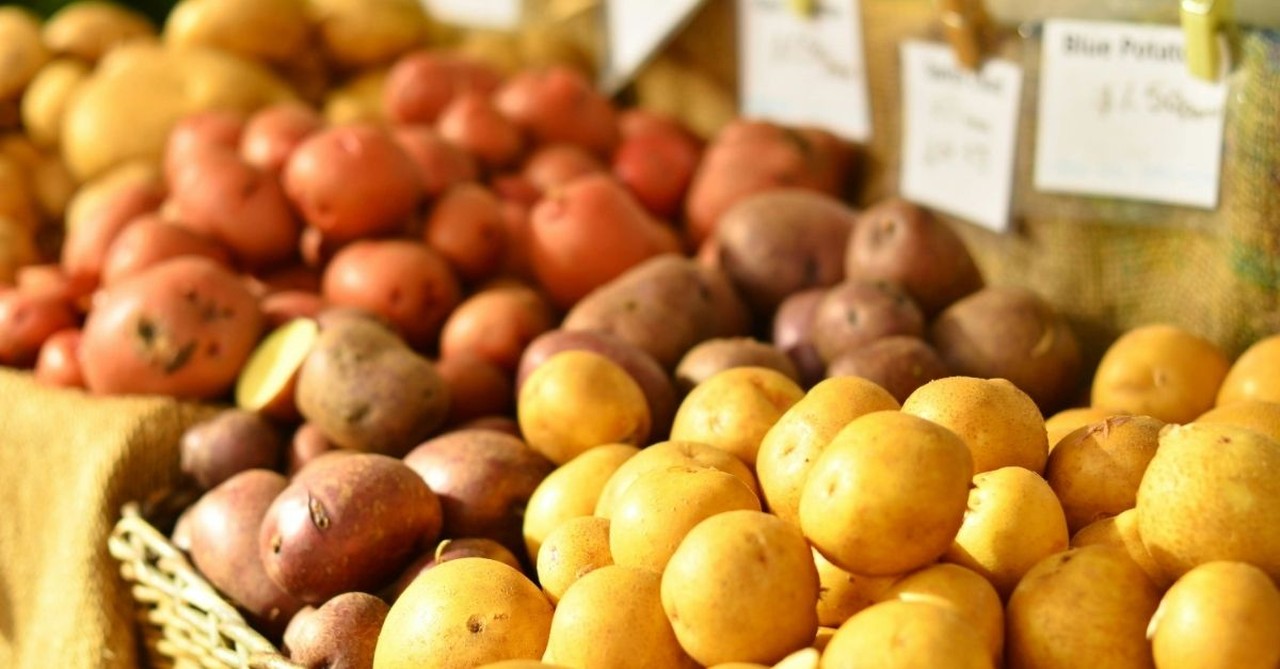
Potatoes are an American favorite, and for good reason. They’re versatile, comforting, affordable, and can show up on our plates in countless ways. How we prepare potatoes can actually change the kind of starch (carbohydrate) they contain and boost gut health!
When you cook a starchy food like a potato and then let it cool, some of its starch changes structure and becomes what is called “resistant starch.” Unlike most starch, resistant starch isn't fully broken down and absorbed in your small intestine. Instead, it travels farther down your digestive tract, where your gut microbes can use it to improve your gut microbiome.
This means that when we choose potatoes as the carbohydrate for meal prep, eating them as leftovers may actually offer an added benefit. The potato we cooked yesterday is not quite the same potato, chemically speaking, as the one that came straight out of the oven.
And it makes me think of Deuteronomy 31:8: “The LORD himself goes before you and will be with you.”
I love imagining God at the beginning of creation, designing something as ordinary as a potato with all of these intricate details already woven into it, knowing that thousands of years later, we would be cooking it on Sunday, packing it into a meal prep container, and eating it as leftovers on Wednesday.
He was already thinking ahead.
What if some of the ordinary details we encounter in food are little reminders of just how thoroughly God provides?
Photo Credit: ©Unsplash/K Soma
Originally published October 12, 2026.