7 Body-Shaming Phrases to Stop Saying (and the Truth to Say Instead)


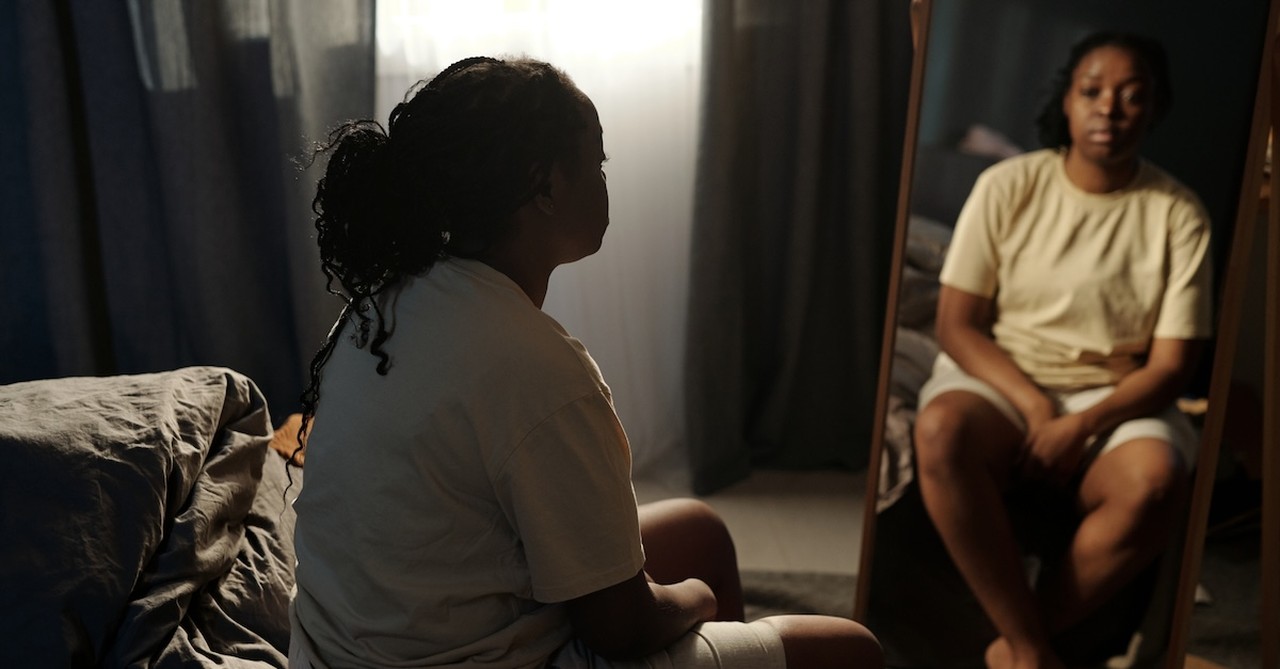
Words possess the power of life and death. Nothing demonstrates this more clearly than kids. As a soccer coach for boys under 13, I've witnessed that what a player says before a match usually tells me how he'll play. "I can't shoot today" becomes a boy who doesn't shoot well. It has little to do with his capability and everything to do with what his mind has already decided. When players make these unfiltered “I can’t” statements, my usual answer is: "Well, with that attitude, you won't!" The words aren't just describing the moment; they are shaping it.
The last time I was coaching on the sidelines, I realized we, as adults, do this too. Sometimes it's obvious when we make self-deprecating statements. Other times, subtle language choices direct our actions without us consciously knowing it. Proverbs 18:21 says, “The tongue has the power of life and death.” Neuroscience supports this, as research on expectation compared to placebo shows that what we believe is possible changes how the brain processes experience. And believing we can do something is one of the strongest predictors of whether we keep trying to work through whatever it is we are trying to accomplish. The Bible has been telling us long before brain imaging that when we speak or believe in something, we position ourselves for God to move. While he doesn’t need us to do this, it sure does serve as an act of worship! We see this firsthand in the story of the woman with the issue of blood. When she was healed by touching Jesus’ cloak, he turned around and said, “Your faith has healed you!” What we believe, and therefore say, about our bodies is not benign. It either strengthens a story of shame or invites something truer in.
Here are seven phrases many of us say without thinking, and what becomes possible when we stop.
Photo Credit: ©GettyImages/shironosov
1. “My Body Doesn’t Work That Way”
1. “My Body Doesn’t Work That Way”
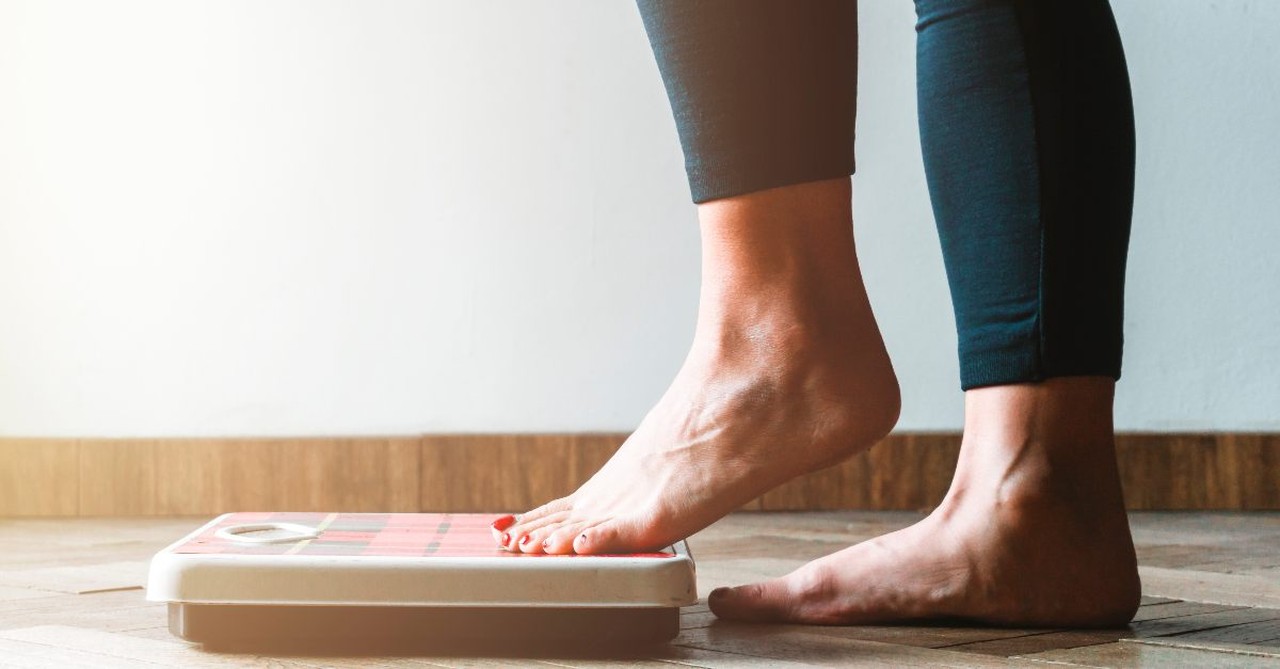
I hear this statement from so many clients, and I'm no stranger to it either. I used to say this when I learned an awesome fact about nutrition. For example, having protein before bed can improve muscle repair. I would say (or think), “My body doesn’t work that way; that would cause me to gain weight.” I see the same process on a client’s face when I share a basic truth about nutrition, and they’ll respond with skepticism: “That sounds great, but my body doesn’t work that way.” The implicit message here is: “My body is broken.” This is a defensive mechanism; we say it out of self-preservation or when our bodies don’t do what we expect. We proclaim this when our weight changes, we get an unexpected diagnosis, or we notice hair loss, acne, or signs of aging.
When we feel the outcome is beyond our control, we use this statement to (falsely) take back control, because if we can anticipate how it might go wrong, we may not be as disappointed. While I understand why we proclaim this protection-intended statement, we have to recognize that it directly conflicts with the redemption and hope offered throughout the Bible. Romans 12:12 says, “Be joyful in hope, patient in affliction, faithful in prayer,” and in the case of our body, this statement distracts us from what God calls us into.
Next time you are tempted to say this one, instead say, “I wonder what would make my body capable of that!” This posture of curiosity holds hope, and hope is promised to all of us, even in your body journey.
Photo Credit: ©iStock/Getty Images Plus/fabrycs
2. “I Can’t Eat That”

2. “I Can’t Eat That”
This is my favorite one to unpack! I imagine a grade-school teacher saying, “You can’t have it, or you don’t want to have it?” Because the reality is, we always have a choice. Romans 8:1 says, “Therefore, there is now no condemnation for those who are in Christ Jesus.” We have no condemnation in Christ, and we have a choice. What freedom this is to carry into our food choices! We always have autonomy, always. When we say things like “I can’t eat that,” we position ourselves as someone who can’t have something we have access to.
There is psychology behind this: the moment we think we can’t have something, we give that thing power. It is a victim-like posturing. The truth is, we may want something but know it isn’t good for us, so we may choose not to eat it. Listen to how differently this lands: “I can’t eat that” compared to “I choose not to eat that.” In the second statement, we maintain autonomy and power, which is actually how God intended us to be positioned! We are empowered with the Holy Spirit, so don’t tell me you can’t eat a cookie!
However, you may choose not to eat a cookie. This even works with allergies. Imagine you have a peanut allergy. It isn’t that you can’t have peanuts; it's that you choose to value your life over peanut butter, so you choose not to eat it. See how much more empowering that is? You would be nuts to choose death over peanut butter (pun intended). And when I imagine Christ standing behind me as I make food decisions, I imagine it would be the same. It isn’t that I “can’t” have that dessert or sugar or whatever it is I am craving; it is that Christ empowers me to prioritize caring for my body.
You are doing the same when you intentionally choose not to eat something. You are choosing longevity, energy, or whatever it is that abstaining gives you! And here is the really cool part: when you forbid yourself from saying the words “I can’t eat that,” you get a chance to evaluate how you really view food. If you don’t have a good reason to decide against eating it, then maybe it is a food rule you need to toss!
Photo Credit: ©GettyImages/millann
3. “This Isn’t Working”

3. “This Isn’t Working”
A line I hear when the anticipated results don’t match the reality. Most often, this line is tied to diet and weight loss. When we put the faith lens over our food journey and our health goals, everything changes. Nothing doesn’t work because something is always unfolding. Romans 8:28 reassures us that “…we know that in all things God works for the good of those who love him, who have been called according to his purpose.”
Could you imagine how much easier it would be to stay engaged in your health goals if you kept this lens of hope and curiosity? A day that ends with an unexpected fast-food meal for dinner isn’t a failure; it is either a real-time prompt of why meal prep matters or a relief that you got a night off and an opportunity to trust your body can handle imperfection. An afternoon of stress eating isn’t the end of the world; it is an opportunity to pray and deepen your reliance on Jesus. Isn’t it true that we have to take up our cross daily? Some days that cross will be your food! And when that happens, what a relief to rest in God’s grace.
The day you didn’t make it to the gym because the kids were sick, or you didn’t sleep well? Again, not a failure! An opportunity to see how you feel when you don’t exercise. Sometimes that reminder is the best motivation! In all these hindrances, both the unforeseen and the self-inflicted, it isn’t a time to throw up our hands and say, "This isn’t working!” This is an invitation to lean in and see what happens when you invite the creator of your body into your journey. Instead, try, “I wonder what God wants me to learn in this.” And when we do this, what an adventure (instead of obligation) our pursuit of health becomes!
Photo Credit: ©Getty Images/Nicola Katie
4. “I Have No Willpower”

4. “I Have No Willpower”
Have you ever heard a child you care about say something negative about themselves? When I was young, I remember putting myself down, and my dad would say, “Don’t talk about my daughter that way! I love her!” When I hear people say, “I have no willpower,” I imagine God speaking over us the same way. The truth is, “I have no willpower” isn’t actually true. It’s a lie because 2 Timothy 1:7 tells us that God has given us a spirit of “power and of love and of self-discipline.” What we really have is struggle, and here is the really great part: God knows that. When we come to Him honestly and admit our struggles, we let God be God and trust that He’ll guide us with what we need.
Neuroscience shows that neuroplasticity, which is the ability to form new thought pathways, never goes away, no matter your age or experience. (It does need glucose to fuel change, so don’t try making changes when you’re hungry!) As long as you have Christ in your heart, you can form new thoughts. One helpful tool is to separate your first and second thoughts. The first thought is a reaction, formed by your experiences. Self-discipline shows up with the second thought, where you have choices. Many people mistake their first reaction for their final choice, and that's where the lie "I have no willpower" becomes a stronghold. If we stay stuck in reactive thinking, we miss out on the power God gave us to create new thoughts.
Say this instead: "I am empowered by the Holy Spirit.” Whoa! What a difference!
Photo Credit: ©GettyImages/Natali_Mis
5. “Just Wait… It Is Worse When You Age”

5. “Just Wait… It Is Worse When You Age”
We’ve all said this at some point. When a younger person shares something with excitement or complains about a challenge, we respond with, “Just you wait.” Our culture often focuses on what we lose as we age—glowing skin, shiny hair, energy, and even purpose by the world’s standards. The good news is we can proclaim Proverbs 20:29: “The glory of young men is their strength, gray hair the splendor of the old.” If we expect aging to be disappointing, we miss out on God’s promise in Psalm 92:14: “They will still bear fruit in old age; they will stay fresh and green.”
The enemy wants us to believe the lie that we lose value as we age. Do things change? Yes. Do our seasons of life shift? Absolutely. But that doesn’t mean God isn’t doing amazing things. Nope! As long as God gives us another day and breath in our lungs, we have purpose in Him. Speaking negatively about aging only spreads these lies. Instead, let’s remember that we serve a God who brings life to dry bones. If we replace “just wait… it gets worse” with “just wait… it gets better as you age,” we accept God’s gift and share hope with the next generation.
Photo Credit: ©GettyImages/MixMedia
6. “I Need to Get My Body Back”

6. “I Need to Get My Body Back”
Saying this suggests your current body isn’t good enough. But it is—because it’s the body you have right now. You might feel better if you make some changes or bring back healthy habits, but the truth is, you can worship and live fully in the body you have. One powerful trend I’ve noticed in my clients is that people build lasting healthy habits because they want to, not because they have to. Gratitude empowered them to continue showing up and caring for their bodies every day. A grateful mindset changes everything, moving us out of desperation and into hope.
When we live by the Holy Spirit, we can approach all parts of our lives, including our bodies, with gratitude and anticipation. As you work toward your health goals and honor your body as God’s temple, remember you’re doing it from a place of victory. You don’t “need to get your body back”—you already have a body. One thing I love about Jesus is that He doesn’t judge our health by something as simple as our weight. He wants our whole hearts, and that means giving everything to Him, including our physical bodies. When we do that, it changes how we see health. This mindset shift lets us pursue health goals and body change from worth, instead of for worth.
Photo Credit: ©iStock/Getty Images Plus/KatarzynaBialasiewicz
7. “I Can’t Prioritize Health Until…”
7. “I Can’t Prioritize Health Until…”
There is a difference between releasing something to Jesus and the apathy that comes with hopelessness or a lack of faith. Discerning when it is time to be disciplined and work, and when it is time to rest and trust, requires connection to the Holy Spirit. After 20 years in the health industry, the clients I have seen make the biggest change are the ones who show up on my schedule because of divine direction. We know God’s timing is perfect. Ralph Waldo Emerson shares his perspective, “…but when these waves of God flow into me I no longer reckon lost time. I no longer poorly compute my possible achievement by what remains to me of the month or year; for these moments confer a sort of omnipresence and omnipotence which asks nothing of duration, but sees that the energy of the mind is commensurate with the work to be done, without time.”
What a beautiful sentiment. He must have captured this from Ecclesiastes 3:11, when the Bible tells us, “He has made everything beautiful in its time. He has also set eternity in the human heart.” It’s the “can’t” in this statement that robs God of being God. In Christ, there is no can’t; there are always good plans for his glory to unfold. I wonder what would change in your diet and exercise journey if instead of fixating on your own limitations, you began to invite God’s glory into the story. Instead of seeing all the reasons you are limited, let’s instead hold onto hope and say, “This is one small step I can take today,” and let that be enough.
Our words will either agree with shame or agree with God, so let's choose life.
Photo Credit: Unsplash/Renel Wackett
Originally published October 02, 2026.