Why Do We Celebrate Columbus Day and Indigenous Peoples' Day?


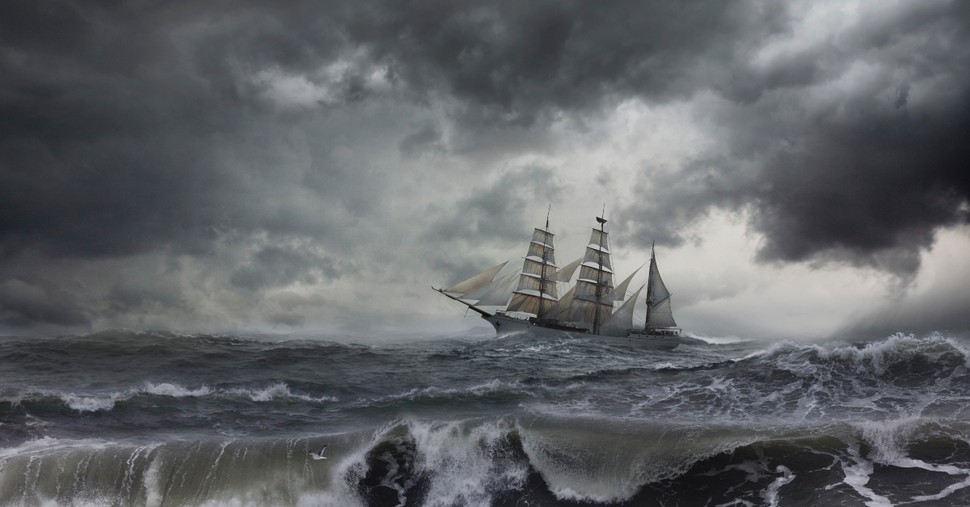
Each year, on the second Monday of October, Americans observe Columbus Day, Indigenous Peoples' Day, or both. While Columbus Day recognizes the historic voyages of Christopher Columbus and his influence on European exploration, Indigenous Peoples' Day honors the history, cultures, and contributions of the people who inhabited the Americas long before his arrival.
As Christians, how can we thoughtfully reflect on these observances, recognizing historical achievements while honoring the dignity of every person created in God's image?
Many of us grew up learning the familiar rhyme that Christopher Columbus sailed the ocean blue in 1492 and discovered America. While his voyage was a remarkable achievement in navigation and helped establish lasting connections between Europe and the Americas, the lands he encountered were already home to thriving Indigenous communities with rich histories, cultures, and traditions.
Christopher Columbus' Early Days
Born in Genoa, Italy, around 1451, Christopher Columbus was named Cristoforo Colombo at birth. He is believed by historians to have been the son of wool merchant Domenico Colombo and Susanna Fontanarossa, with four siblings: brothers Bartholomew, Giovanni, and Giacomo, and sister Bianchinetta.
Columbus worked as a teenager on merchant ships. According to traditional accounts, after a ship he was aboard was attacked off the Portuguese coast in 1476, he survived and made his way to Lisbon, where he further developed his knowledge of navigation, geography, and maritime trade.
In Portugal, he married Filipa Moniz Perestrelo, and around 1480, the couple had a son, Diego. After his wife's death, Columbus eventually relocated to Spain.
Christopher Columbus, the Problem Solver
By the late 15th century, European merchants faced challenges accessing valuable Asian trade goods through established routes. Portuguese navigators had been exploring the African coastline in search of a sea route to Asia.
Columbus proposed an alternative: sailing west across the Atlantic Ocean to reach Asia. He believed the distance separating Europe from Asia by traveling west was considerably shorter than it actually was.
Although his calculations were mistaken, Columbus remained convinced that his proposed route was possible.
Christopher Columbus' Historic Voyages
After unsuccessfully seeking support elsewhere, Columbus found backing from Spain's monarchs, Ferdinand and Isabella, who agreed to sponsor his expedition.
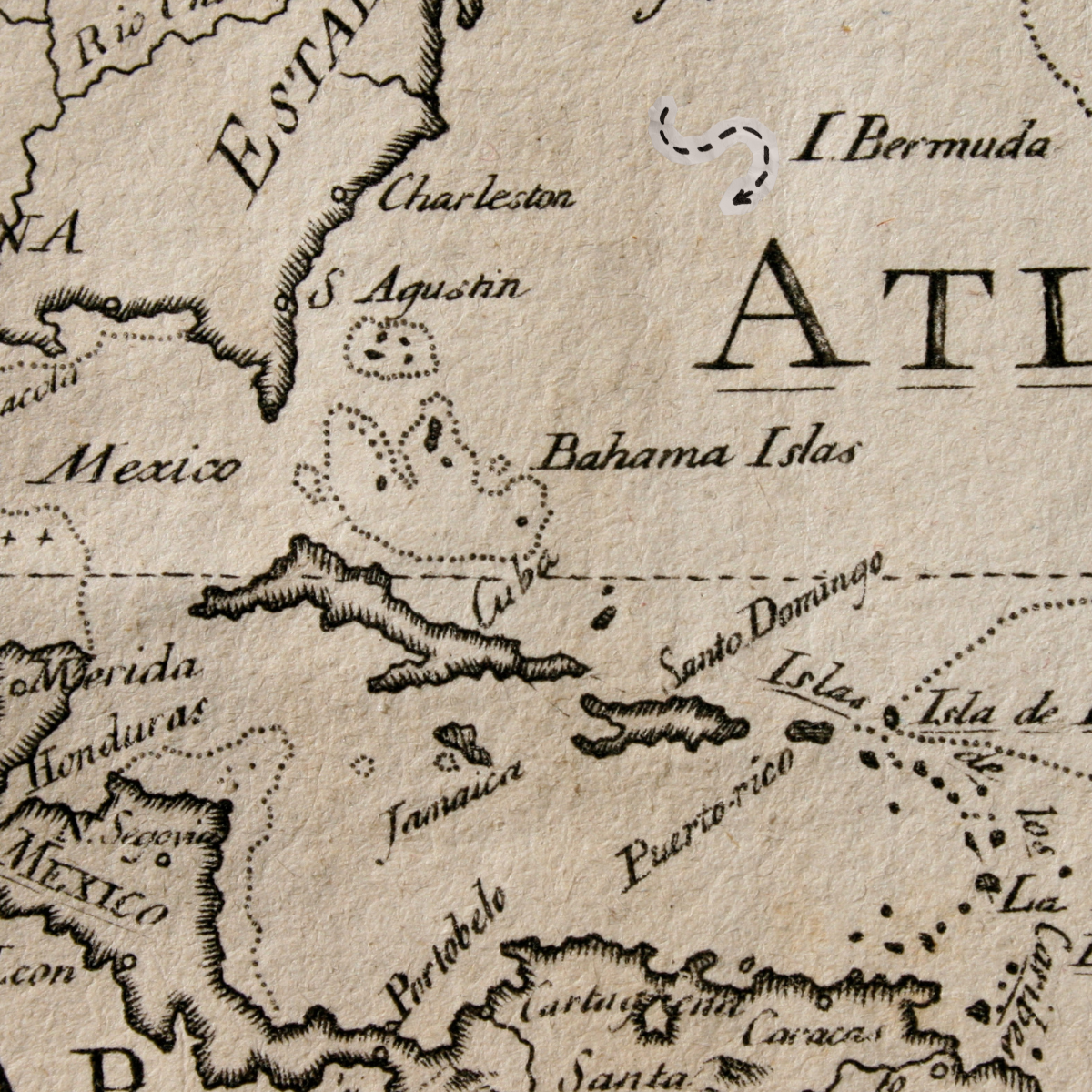
In 1492, Columbus departed with three ships: the Santa María, the Pinta, and the Niña. After crossing the Atlantic, his expedition reached islands in the Caribbean, beginning a new era of sustained European exploration and contact with the Americas.
Although Columbus believed he had reached parts of Asia, he had actually arrived in the Caribbean, where Indigenous peoples had lived for generations. His misunderstanding contributed to his use of the term "Indians" for the people he encountered.
His voyages represented significant achievements in navigation and changed the course of world history, but they also marked the beginning of profound changes for the Indigenous communities already living there.
Christopher Columbus' Faith in God
Some Christians question whether Columbus had faith in God, believing he was more interested in discovering riches than sharing the Gospel. However, history records him as a devoted Catholic who desired to spread Christianity, a goal also shared by the Spanish monarchy.
Columbus wrote, “No one should fear to undertake any task in the name of our Savior, if it is just and if the intention is purely for His holy service.”
As Federer writes, “In his journal, Columbus referred to the native inhabitants as ‘Indians’ as he was convinced he had successfully arrived in India: ‘So that they might be well-disposed towards us, for I knew that they were a people to be ... converted to our Holy Faith rather by love than by force, I gave to some red caps and to others glass beads … They became so entirely our friends that ... I believe that they would easily be made Christians.’”
Although Columbus expressed a desire to share his faith, historical accounts also document the mistreatment and enslavement of Indigenous peoples under his leadership. As Christians, we can recognize his religious convictions while acknowledging that his actions, like those of all people, must be considered in light of God's Word.
Columbus' story reminds us that faith and human imperfection can exist alongside one another. While we can acknowledge his accomplishments and the role Christianity played in his life, we must also remember that God's Word calls us to love our neighbors and recognize the dignity of every person created in His image.
Why Do We Recognize Indigenous Peoples' Day?
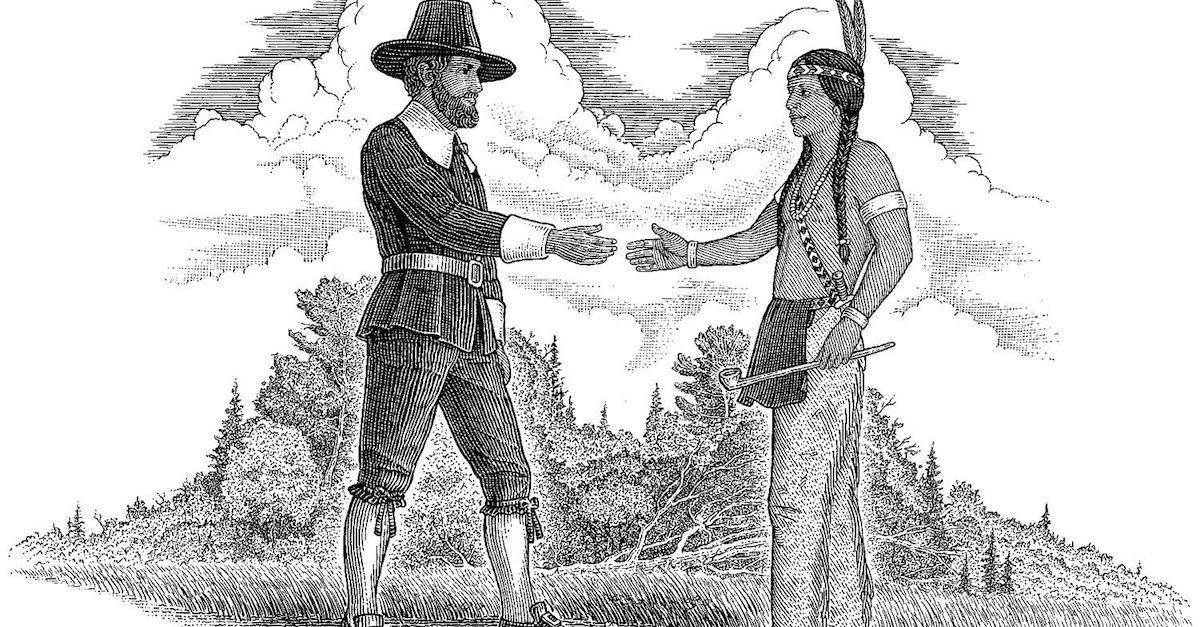
While Columbus Day has traditionally recognized the explorer's historic voyages, Indigenous Peoples' Day offers an opportunity to honor the people and cultures that existed throughout the Americas long before European arrival.
For many Indigenous communities, Columbus' voyages marked the beginning of a painful period of colonization, including displacement, forced labor, and the loss of countless lives. Under Columbus' leadership, Indigenous people in the Caribbean experienced enslavement and exploitation. In the generations that followed, European colonization, violence, and introduced diseases caused further devastation.
Indigenous Peoples' Day recognizes these historical experiences while also celebrating the resilience, traditions, and ongoing contributions of Native peoples today.
For Christians, this observance also offers an opportunity to reflect on a foundational biblical truth.
Genesis 1:27 reminds us:
"So God created mankind in his own image, in the image of God he created them; male and female he created them."
Every person, regardless of nationality, ethnicity, or cultural background, bears the image of God and deserves to be treated with dignity and compassion.
Recognizing the dignity of Indigenous peoples does not require us to overlook the historical significance of Columbus' voyages. Rather, it invites us to approach history with humility, compassion, and a commitment to truth.
Christopher Columbus' Complicated Legacy
Christopher Columbus' voyages changed the course of history, yet his legacy remains a subject of debate. While some celebrate his courage, faith, and accomplishments as an explorer, others recognize the suffering Indigenous peoples experienced during his leadership and the colonization that followed.
Columbus believed he was sailing west to reach Asia, but his miscalculations led him to the Americas instead. Perhaps his unexpected journey reminds us of Proverbs 16:9: "In their hearts humans plan their course, but the Lord establishes their steps."
Although we cannot know all of God's purposes throughout history, we can trust in His sovereignty while recognizing that human actions do not always reflect His will.
As Proverbs 3:5-6 teaches, we are called to "trust in the Lord with all your heart and lean not on your own understanding; in all your ways submit to Him, and He will make your paths straight."
As we reflect on Columbus Day and Indigenous Peoples' Day, we can appreciate the historical significance of his voyages while honoring the Indigenous peoples who called these lands home long before his arrival. Above all, may we approach history with truth, compassion, and gratitude, remembering that every person is created in God's image.
Photo Credit: ©Getty Images/John M Lund Photography Inc, Video courtesy of Nest Family: https://www.nestlearning.com/the-animated-story-of-christopher-columbus-video-on-interactive-dvd_p43414.aspx
Lynette Kittle is married with four daughters. She enjoys writing about faith, marriage, parenting, relationships, and life. Her writing has been published by Focus on the Family, Decision, Today’s Christian Woman, kirkcameron.com, Ungrind.org, StartMarriageRight.com, and more. She has a M.A. in Communication from Regent University and serves as associate producer for Soul Check TV.
Originally published October 09, 2026.