Ancient Cyprus Coin Discovered in Israel


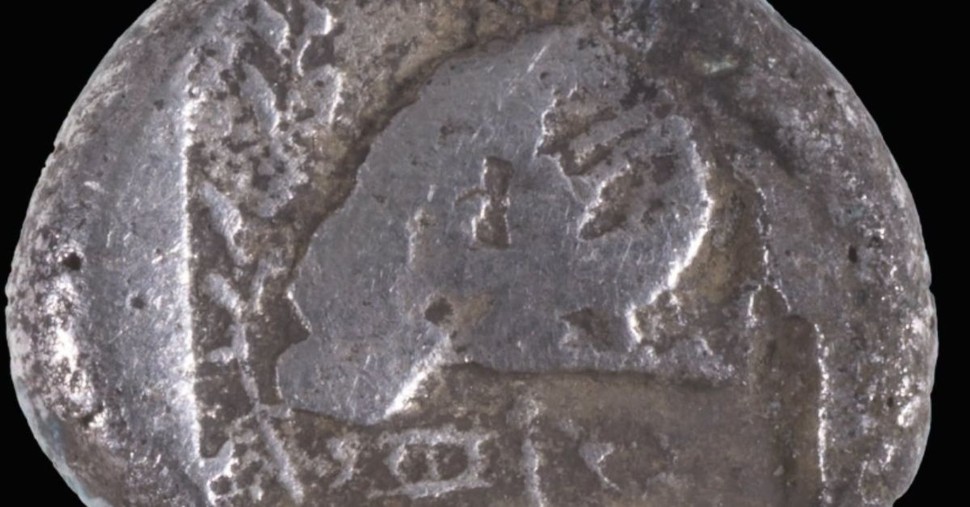
Israeli archaeologists recently came across what is believed to be a rare 2,500-year-old coin, found on a beach in Ashdod, Israel, that originated in Cyprus.
Per CBN News, the coin, which comes in at close to 11 grams, is known as a “siglos”, a standard coin in Cyprus.
“At first glance, it appeared to be made of silver, but closer examination showed that it was actually made of a metal that was only plated with silver. This was a known phenomenon in Cypriot silver coins from this period, given the shortage of silver on the island,” said Yanniv David Levy, Researcher and Curator in the Israel Antiquities Authority Coin Department.
The ancient coin is thought to have been minted in Salamis, a major city on the eastern coast of Cyprus, an island in the Mediterranean, around the middle of the 5th century BC. Salamis, at the time, was a vital and important center of trade and culture, according to the Times of Israel.
"Salamis coins from the 5th century BC were circulating throughout the eastern Mediterranean. However, finds with an exact provenance are rarer, and therefore this coin potentially offers significant information about trade ties and movement between Cyprus and the Land of Israel during this period,” Dr. Evangeline Markou, Senior Researcher at the Institute of Historical Research, National Hellenic Research Foundation, and an expert in ancient Cypriot coinage, said.
As startling, interesting and exciting as this discovery is, the coin's design is also thoroughly fascinating, particularly due to what is featured on the ancient piece of currency, which includes the image of an animal. Supposedly, one side of the coin is a ram, facing left and in a reclining position. When it comes to the other side, there is also a ram. However, this ram, while also facing left, has its head set within a sunken, square frame.
Also on the coin is a laurel branch, resting vertically. Additionally, there are three distinctive symbols that appear to be linked to the Cypriot syllabic script, the ancient writing system that was used on the island.
“Coins of this size and value from the Persian period are rare altogether in the archaeological record,” Levy explained. “Usually, silver coins of this size were not preserved intact. Over time, they were cut into small pieces for use as local trade currency.”
“Evidence of such use is known mainly from inland sites in Israel. Therefore, the discovery of a complete coin from the coastal area is unusual on all accounts and is of special historical importance.”
In the book of Acts, in the 13th chapter of the New Testament book, the Apostle Paul and Barnabas arrived in Salamis and preached there as part of their first missionary journey before traveling across Cyprus.
Acts 13:5 “When they arrived at Salamis, they proclaimed the word of God in the Jewish synagogues. John was with them as their helper.”
Photo Credit: ©Facebook.com/Israel Antiquities Authority - Photographer, Shai Levi

Originally published July 28, 2026.