Cold Moon Supermoon to Take Place as Final Supermoon of 2025


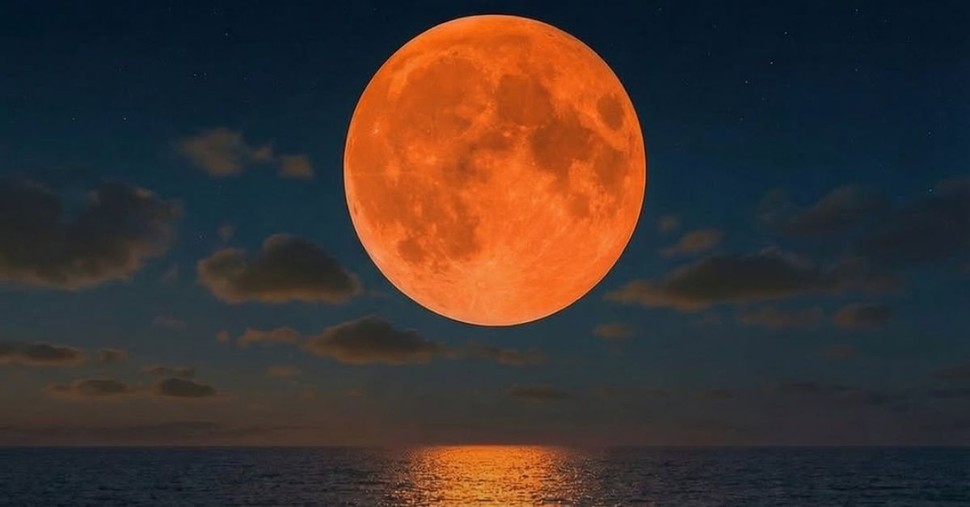
The final Supermoon of 2025, known as the Cold Moon, is expected to occur Thursday night, which will be visible in the Northern Hemisphere.
“This Thursday, the sky saves the best for last. On December 4, we witness the final Supermoon of 2025. Known as the "Cold Moon," this one is truly special. Due to a rare 18.6-year cycle called the "Major Lunar Standstill," this moon will climb higher in the Northern Hemisphere sky than any other full moon this year,” stated the page known as the Great Planet, on Instagram.
The page noted that the moon won’t “reach this extreme altitude again until 2042.
The “Cold Moon”, Long Nights Moon, and the Moon before Yule mark the arrival of winter and colder weather in the Northern Hemisphere, Time and Date reported.
According to Alamanac, it is the third supermoon in a series of three consecutive supermoons this year (October, November, December). A supermoon takes place when the moon is closest to Earth in its orbit, which is also known as a perigee, hence it appears larger and brighter than a typical full moon.
As stated by Great Planet, the times of viewing the Cold moon Thursday night and early Friday morning are as follows:
Peak Illumination (23:14 UTC):
🇺🇸 New York: 6:14 PM (Dec 4)
🇧🇷 Rio: 8:14 PM (Dec 4)
🇬🇧 London: 11:14 PM (Dec 4)
🇪🇺 Berlin: 12:14 AM (Dec 5)
🇹🇷 Istanbul: 2:14 AM (Dec 5)
🇮🇳 New Delhi: 4:44 AM (Dec 5)
The best way to watch the Cold Moon is when it is rising on the eastern horizon shortly after sunset.
“This is when the "Moon Illusion" makes it appear massive and golden orange,” Great Planet stated.
According to CRBC News, the Cold Moon can be seen with the naked eye, while a pair of binoculars or a modest telescope will be able to see more specific details on the surface, including craters and maria.
The next supermoon following the Cold Moon, called the Wolf Moon, will take place on Jan. 3, 2026, and will be the first full moon of the new year.
Related Article
What Should Christians Know about Blood Moons, Super Blood Moons, and Solar Eclipses?
Photo Credit: ©Instagram/ thegreatplanet

Originally published December 04, 2025.